Monday, May 24, 2021

The 10 Best Storyboarding Software of 2021 for Any Budget

Today, video can help marketers do a lot of things — it can help you explain your product or service, it can increase traffic to your website, and it can even convince people to purchase a product.

94% of people watch explainer videos to learn about a product or service. Even if you have a powerful written content strategy, if you don’t use video, you’re losing traffic to more video-heavy competitors.

Your business is probably already using video marketing, but are you planning your videos for optimal success using storyboarding software? Or are you drawing shots by hands or writing a script and winging the rest?

In this post, we’ll go over what storyboarding is and cover some of the best storyboarding tools you can use to make better marketing videos.

→ Access Now: Video Marketing Starter Pack [Free Kit]

Storyboarding isn’t just for filmmakers and animators. Marketers can leverage storyboards to craft engaging marketing campaigns and advertisements.

The best part is that you don’t have to do it manually. A storyboarding software tool typically provides premade images and characters for you to bring your idea to life.

Whether you use video for training, sales, or demo purposes, storyboarding can alleviate the time-consuming nature of video preparation, while also increasing your video’s overall quality and decreasing production errors.

If you’re looking for a tool to take your video production process to the next level, take a look at our list of the best storyboarding software out there — no matter your budget.

Best Storyboard Software

1. Storyboarder by Wonder Unit

Storyboarding software by Wonder Unit

Storyboarder is open source and free, making it one of your best options if you're working with a smaller budget. The program has a clean interface with all the necessary tools at your disposal, so it’s easy to quickly draw shapes and characters. You can also write dialogue, and enter timing information and shot type.

Storyboarder works collaboratively with Photoshop, which means you can edit your board in Photoshop for more precision, and it will automatically update in Storyboarder. This software lets you export to Premiere, Final Cut, Avid, PDF, or Animated GIF.

Pricing: Free

2. Plot
Storyboarding software by Plot

Image Source

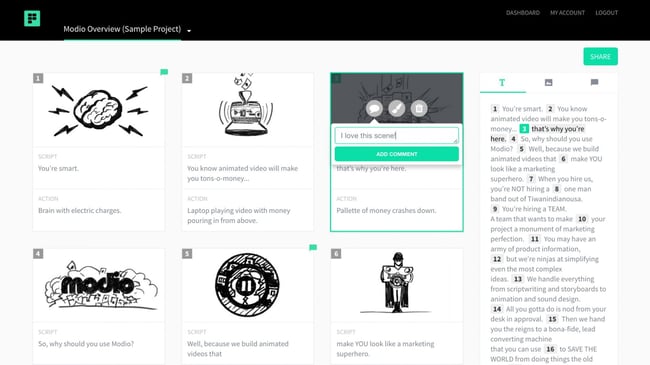
Adrian Thompson made animated videos for seven years, and “came to despise how tedious it was to edit a basic storyboard template.” His frustration led him to create Plot, a free and fast storyboard creator with impressive users such as Vistaprint and Workday.

Each feature aims to make your process as quick and efficient as possible. You can add and delete scenes without copying and pasting text, incorporate images from anywhere on the web to visualize scenes faster, and collaborate with coworkers from within the software. Plot is a solid option if your team often works under tight deadlines and needs software to create storyboards quickly.

Pricing: $10/month

3. FrameForge Storyboard Studio
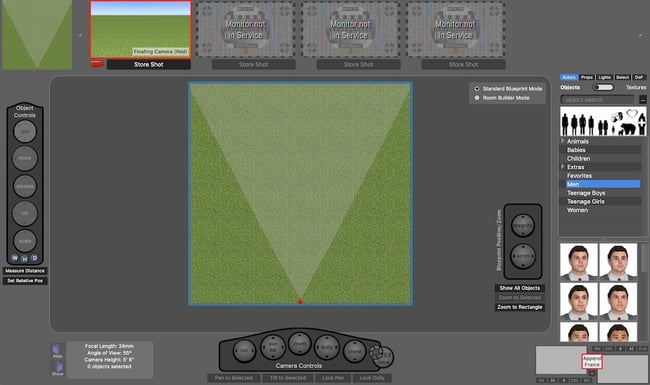
Storyboarding software by FrameForgeWith impressive users including HBO, Netflix, and BBC, FrameForge is the real deal, but your team can still benefit even if you don’t have animation, drawing, or highly technical computer skills.

FrameForge offers Core and Professional versions of their product. The Professional option allows you to plan where you’ll place dollies and cranes (down to the inch). The software lets you import a script from any scriptwriting program. Plus, the storyboards include movement arrows, framing notations, angle of view, focal length, and more, so everyone on your video team, from preparation to production, is on the same page.

It works on any mobile device, and the export functions make it possible to download the final product as a PowerPoint presentation. FrameForge is a good option for teams that aim to create more full-fledged and lengthy videos for entertainment purposes.

Pricing: $498.95 one-time fee or $12.99/month (Core Edition); $799 one-time fee or $24.99/month (Professional Edition)

4. Studiobinder
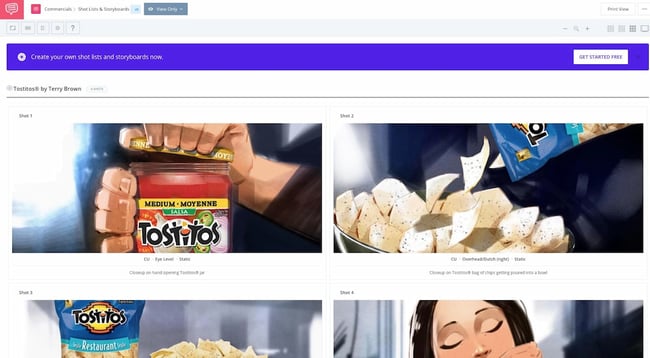
Storyboarding software by Studiobinder

Image Source

Studiobinder lets you customize every aspect of your visualization, and offers tools to filter columns, adjust the order of your scenes, upload images, change aspect ratios, color code shots, add notes, and more. Studiobinder also makes collaboration easy, with project management features to assign tasks and add comments.

Plus, if you want to preview your project from within the platform to show your team, there’s a nifty presentation mode. It touts impressive clients including BuzzFeed, ESPN, and CBS Interactive. This option is good for teams who need to collaborate on various stages of the video production process, and prefer customizable tools.

Pricing: $29/month (Indie); $49/month (Professional); $99/month (Studio)

5. Boords Storyboard Creator
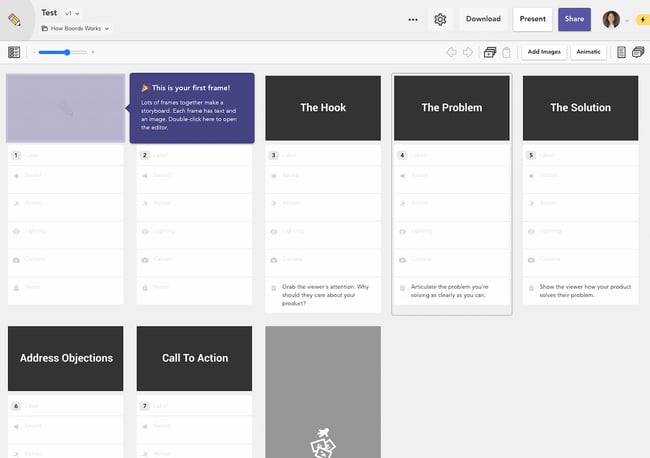
Storyboarding software by Boords

This online storyboarding software allows you to easily collaborate with your team in a user-friendly web app. You can add images to each storyboard card and jot down quick notes for each progressive step of your video. Specify sound, action, lighting, and camera details — all without any advanced technical knowledge.

The power of this tool lies in its ease of use. While Storyboarder and FrameForge have a slight learning curve, Boords is one of those tools that you can simply access and start using straightaway.

What we love most about this tool is its notes at the bottom for each card. If you ever forget what you’re supposed to achieve scene-by-scene, Boords gives you a brief and helpful tip on what you should achieve in the shot. It also offers a unique Animatic Tool, and when you’re ready to share your animatic, you can share it online for feedback or export to Boords’ After Effects plugin. Plus, you can share your storyboard with coworkers or clients and let them comment within the platform.

Pricing: $36/month (Studio); $60/month (Company); $120/month (Company Plus)

6. makeStoryboard
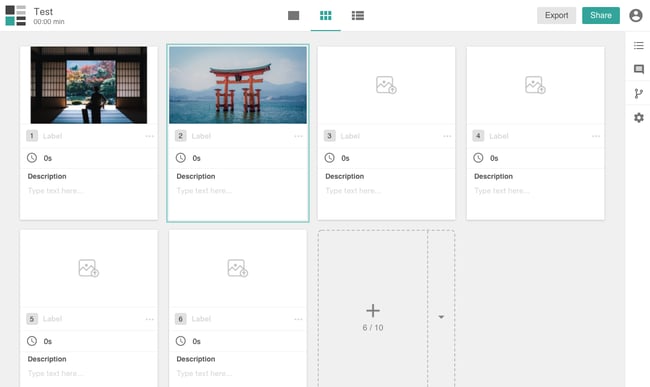
Storyboarding software by makeStoryboard

If you’re not necessarily interested in the fancier movie-making options in the list, makeStoryboard is a simple, user-friendly interface for quickly uploading camera shots, drawing stick figures in its built-in drawing tool, and incorporating text for scene details. The marker, pencil, and pen tools respond to any drawing tablet.

You can also add custom text fields for any additional details that are unique to your team and use case. When you’re happy with your storyboard, you can export it as a PDF to pitch your idea. Alternatively, you can send a private link so that stakeholders can review it without needing an account. Best of all, it offers a free subscription tier, making it a fantastic option for teams working with a smaller budget.

Pricing: Free; $12/month (Professional); $36/month (Team)

7. PowerProduction Software

Storyboarding software by PowerProduction

Image Source

PowerProduction offers a variety of tools for storyboarding, varying from simple to more robust and all-inclusive. StoryBoard Quick, for instance, offers a library of artwork for characters, props, and locations, and allows you to design and share your ideas easily. StoryBoard Artist, on the other hand, offers a full-featured timeline, frame transitions, and 3D characters, and is more appropriate for animated video presentations.

PowerProduction also provides iPhone and Android app versions of their products, so you can visualize and create from anywhere. These products are used by big brands, including Disney, Universal, and 20th Century Fox, so if you choose this software, you’re in good company. If your team is interested in creating lengthy, high-quality, and even animated videos, this could be a good option.

Pricing: $129.99/year (StoryBoard Quick); $169.99/year (StoryBoard Quick Studio); $269.99/year (StoryBoard Artist); $399.99/year (StoryBoard Artist Studio)

8. Canva
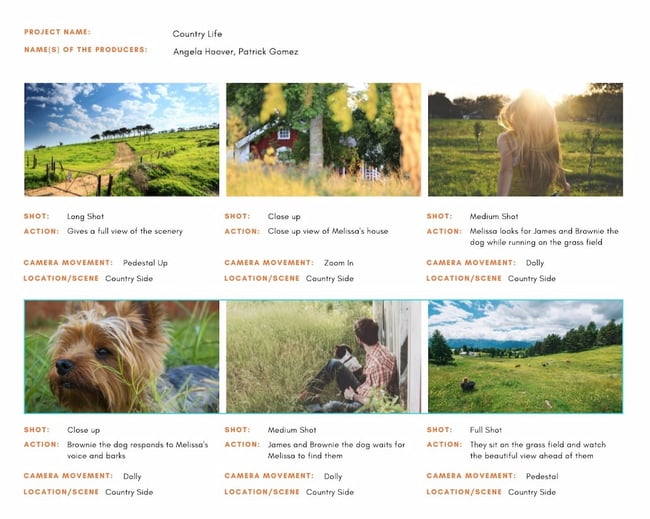
Storyboarding software by CanvaCreating a storyboard doesn’t have to stress you out, and Canva makes it especially easy, with a library of templates to choose from, one million stock images (or the option to upload your own), and grids and frames to organize your scenes. You can choose font types, customize colors, and include headers and subheaders.

If you’re working with someone else on the script or design, you can grant access for collaboration, and when you’re finished, you can share the design with your team through email or as a PDF file. If your team needs a simple and easy tool for simpler projects or to get your feet wet with the process of storyboarding, this is a good option.

Pricing: Free

9. PanelForge

Storyboarding software by PanelForgePanelForge offers an all-in-one pre-production storyboarding software, with drag-and-drop tools and flexible frames. With both a free public beta and a suite of paid plans, there’s no reason not to try it if you’re interested in using storyboarding for animatics and more complicated projects.

With PanelForge, you can create both 2D drawings and 3D layouts. It also allows you to create an animatic, and you can export and import files from Adobe Premiere and Final Cut Pro. PanelForge is ideal for experienced storyboarders and marketers who know their way around complex visualization tools.

Pricing: Free (Public Beta); $7.31/month (Pro); $1,411/year (Studio)

10. StoryboardThat
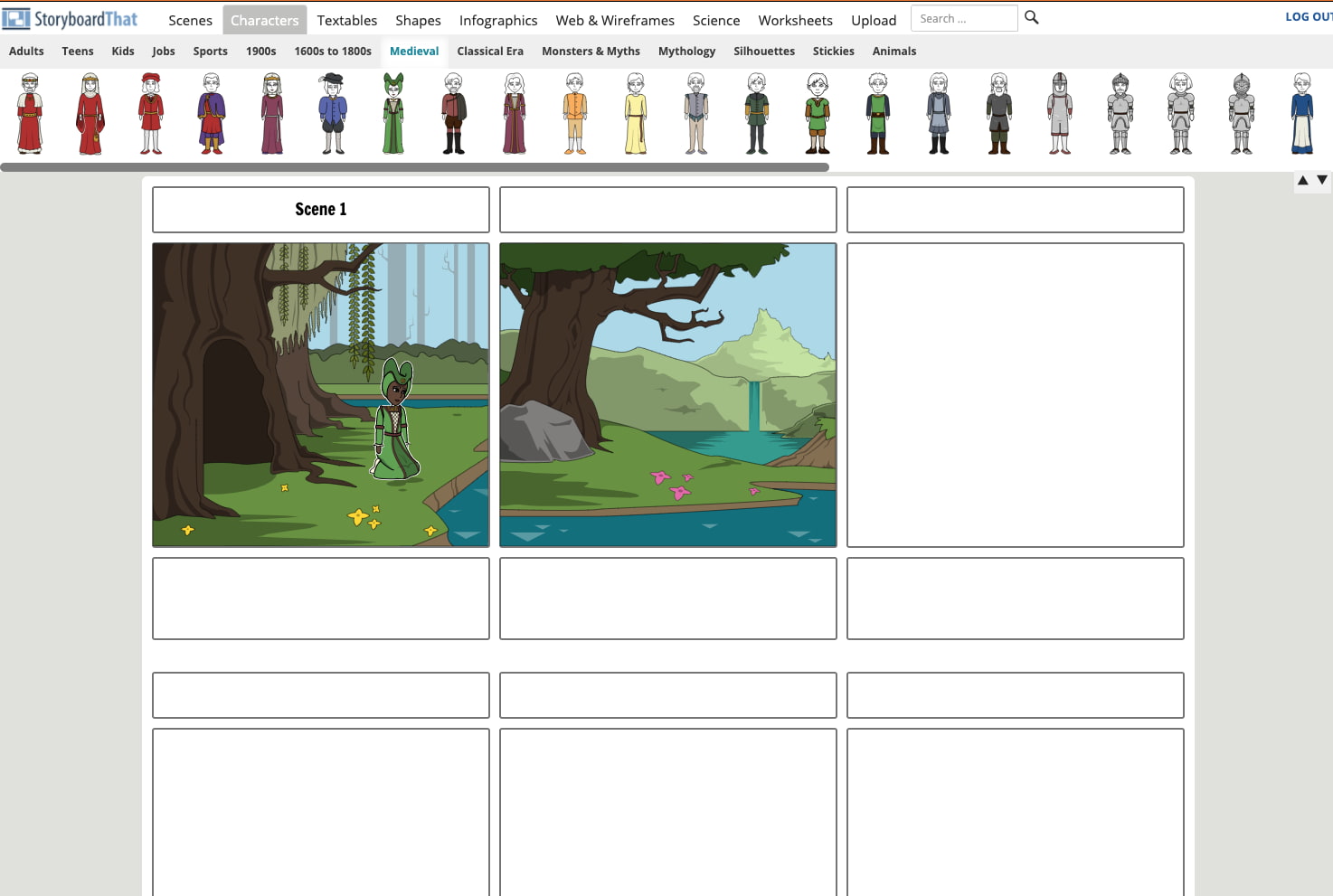
Storyboarding software by StoryboardThatStoryboardThat is an intuitive, easy-to-use tool for creators who’d rather not draw (or who don’t know how to). The tool comes with hundreds of backgrounds and characters for you to build your storyboard.

On the free version, you can create two storyboards per week and choose between three- or six-cells storyboards. When you upgrade to the paid versions, you’ll be able to create unlimited storyboards, access hundreds of different layouts, and record audio.

Pricing: Free; $9.99/month (For Fun); $8.99/month (For Teachers); $14.99/month (For Work)

Use a Storyboarding Tool to Make Better Marketing Videos

A storyboarding tool can help you plan every shot and scene of your marketing video before you invest in production. The best part is that you can get started for free — and many times, you don’t have to draw anything at all. Using a storyboarding tool can improve your marketing videos exponentially, increasing the ROI from your video marketing strategy.

Editor's note: This post was originally published in June 2018 and has been updated for comprehensiveness.


Discover videos, templates, tips, and other resources dedicated to helping you launch an effective video marketing strategy. 

Discover videos, templates, tips, and other resources dedicated to helping you launch an effective video marketing strategy. 

The 10 Best Storyboarding Software of 2021 for Any Budget was originally posted by Local Sign Company Irvine, Ca. https://goo.gl/4NmUQV https://goo.gl/bQ1zHR http://www.pearltrees.com/anaheimsigns

5 powerful reasons to automate your digital advertising production

Automation of digital advertising production saves time, saves money, and in most cases, improves your designers wellbeing! And in today’s ultra competitive market it’s a key ingredient of any marketing tech stack. If you don’t automate production – you can bet a competitor will.

Firstly, what is automation in digital advertising?

Automation in digital advertising refers to any feature or technology that removes manual and often repetitive tasks from production processes. These can be related to both campaign creation and ad management.

On a basic level, within display and social media advertising, automation has the potential to bring huge benefits both to the quality of advertising produced and the quantity.

You may come across smart scaling, creative automation, and any number of auto-optimisation features – all of these are automation technologies. For those lucky few to have an ad creator, such as Bannerflow’s Creative Studio, you will have the benefit of all these technologies in one product.

Yet, why should you use automation? And what exactly are the reasons that make automation so essential for the production of digital advertising? Read on to discover why…

Reason 1. Automate production to scale ads, fast

First of all, automating your digital advertising production is not replacing your designer with a machine. Get that thought out of your mind. In fact, it frees your design team from the day-to-day grind of manual ad production.

Manual ad production is slow and requires designers to build ads one at a time. Meaning instead of creating more variations or jumping on the next market trend, your team is stuck building a single campaign signed off weeks ago. It also means you simply can’t produce the sheer volume of ads required for today’s programmatic campaigns.

Enter smart scaling

Smart scaling was originally conceived by Bannerflow co-founder, Daniel Jacobsson. His pain of creating hundreds of slightly different banner ads, pathed the way for Bannerflow’s algorithmic assisted design feature. Smart scaling essentially takes a master design (copy, images and code) then replicates it in all the sizes and formats you require.

The result is campaigns that used to take weeks, now take less than a day. Use smart scaling, and at worst your overall campaign production time frame – from concept to finished campaign – is going to reduce down to hours.

Reason 2. Enable creativity and variation

If you think automation of ad production doesn’t put designers in the driving seat – then think again. Indeed, freeing designers from mundane and repetitive design tasks is essential to making a great number of ads fast. Yet, there is another crucial benefit of automation. The elimination of the need to code as a design task.

As Daniel Domingo, Performance Marketing Manager at Grupo MásMóvil states: “To put it simply, Bannerflow has enabled us to reduce our production time! While at the same time increase the number of creatives we develop – without compromising on either branding or design. We now quickly produce ads that are consistent and pixel perfect at volume.”

By removing the need to code the HTML of individual ads, designers can rapidly create campaigns at volume that are not only quality but ad network ready. Automatic, asset, font and image optimisations (creative automation) work alongside smart scaling to cut mistakes and crucially cut the time it takes to build ads. Better still HTML5 widgets make it easy to inject Rich Media and video into campaigns via drag and drop functionality.

For designers, by designers

What this means is that designers have more time to do what they do best – which is design. Not code. Use automation within your ad production and you have more time to concept, as well as create more ad variations.

Thus as Daniel further elaborates: “this allows us to experiment with many different campaign creatives continuously, enabling us to increase our ad performance”. The end result? Supercharged ad performance through the enablement of creativity.

Reason 3. Smooth collaboration between teams

Digital campaign production, whether big or small, or just for a single channel like display, requires top notch project management. And the faster and smoother the collaboration process is, the better your campaign performance and costs. But how does automation help with this particular aspect of ad production?

Firstly, being able to manage production is integral to effective and successful campaigns. As a modern marketer, using technology to upgrade project management skills is key when it comes to streamline workflows. And, in a fast paced and competitive world of digital advertising, efficient team work – through in-platform messaging, editing and approval – can make a real difference.

Display advertising at its worst is famed for efficient workflows that drag on and on. Worse still shady players have in the past have taken advantage of expected long lead times to increase the cost of ad production. Automation means placing that way of operating firmly in the past and embracing real-time cloud collaboration.

Collaborate in the cloud, in real-time, anywhere

As the Covid-19 pandemic has shown, the ability to work efficiently wherever you happen to be in the world, at whatever hour of the day is simply a must. In-platform messaging is of course one step, as is easy ad previews. These remove the need to send zip files. But that’s not enough.

Automation is enabling copywriters and designers to work simultaneously on projects. Copy is edited directly in ads and automatically replicated across digital campaigns. Spin this out to translations too, and translation management goes from long, complex spreadsheets and hours of fiddling about, to translators working directly inside ads, making something appropriate for their local market.

And finally, there is the approval process. A simple box check and campaigns can go live in minutes. Now scale this process up to the enterprise level and we are talking about thousands of ads being signed-off. The control and brand consistency enables global organisations is unparalleled.

Reason 4. Increase performance with live updates

Staying relevant is the most basic form of personalisation any marketing team should – at a minimum – be attempting. And another glorious aspect of automation is that it enables your production team to do this easily, without fuss and at a good price.

Indeed, reacting to events within multi-market campaigns, on a local level means you can show you have your finger on the pulse. For example, a trading brand can change their ad creative the minute a major event (aka an Elon Musk Tweet) affects stock prices – that’s just what CMC Markets did for the UK general election. The result is timely and relevant
ads.

By syncing your automated production tech with a direct integration to an ad network you can update live creatives, with new copy, images – anything – to keep your campaign relevant and engaging. That’s why at Bannerflow we offer the ability to combine our powerful ad creator, Creative Studio, with Campaign Management. Thus on the same platform you can produce, control and update thousands of live creatives.

Take automation up a level

Another bonus on automation for display advertising is the option of adding a data feed to your live ad creative. Due to having the option of using code-free HTML5 widgets (mentioned earlier) designers can simply drag and drop either a live data feed into a chosen master ad and scale. The result is you can quickly build ads that show live product feeds, selected offers, weather, whatever you think will drive clicks.

For Max Taub, Head of Optmisation at iGaming behemoth KIndred Group this is essential for its display advertising. “Staying relevant to the customer is a priority. Moreover, a bonus with using live data feeds is that you can use the same banner again and again, and still stay relevant. And the more relevant you are to the customer, the more likely it is that a customer will click on your banner. And this, of course, helps with our return on investment (ROI).”

Reason 5. Truly agile and efficient workflows

Lasty, our fifth reason for automating your digital advertising production is agility and efficiency. If you haven’t guessed by now, automation increases your ROI and leads to that holy grail of marketing – agility.

Thanks to better collaboration, project management, and quicker production through combining different automation tech achieving an agile way of working is within your grasp. And when we say agile we mean it. Any in-house marketing team equipped with the latest automation tech is ready to work at the speed of the market. And, recent world events have only emphasised how important this is as a business asset.

Covid-19 exposed just how important being able to quickly adapt to external factors is. For example, nowhere is this more clear than in how sportsbook brands – using Creative Studio – pivoted overnight from live odds ads to video ads due to the lack of sporting events in March 2020. Think of how many other industries could benefit from this way of working?

Automate production to create display and social ads at speed

Another efficiency saving is making full use of automation and smart scaling features to create and export social media ads based on the same master concept as a display ad. More than half of the global population now use social media. And by combining display and social ad production you can quickly increase ROI.

This save your designers valuable time. Plus, it means you can create entire cross-channel campaigns for all the major social networks at high speed. This is particularly useful when you are running a series of ads across display and other channels. Thus, you can seamlessly connect your strategy, stay consistent, and streamline workflows.

Indeed, being able to simply do all your advertising within one platform, will both save your business time and maximise marketing budgets. Combine display and social production and you can have an idea in the morning, and a powerful cross-channel campaign live by the afternoon.

Automate your advertising production!

One final point, simply automating your production is only step one. Beyond production there are whole areas of campaign management and personalisation that can be improved and refined with automation.

Indeed, the possibility to automatically optimise all your live campaign creatives, or rebrand instantly across channels should not be underestimated in their value.

Lastly, like what you’re reading and want to see more? Apply for a demo of Creative Studio and take the first step towards transforming your digital advertising.

The post 5 powerful reasons to automate your digital advertising production appeared first on Bannerflow.


5 powerful reasons to automate your digital advertising production was originally posted by Local Sign Company Irvine, Ca. https://goo.gl/4NmUQV https://goo.gl/bQ1zHR http://www.pearltrees.com/anaheimsigns

Friday, May 21, 2021

How to Post to Instagram From Your Computer [7 Easy Steps]

Instagram is a popular social media network for sharing photos, commonly accessed through a mobile app. Unlike other social networks, however, it does not have a desktop version.

This poses a problem for a lot of users who want to access features from their desktop computer. For example, let's say you're a social media manager for a prominent brand. The last thing you want to do is have an absentminded mishap where you accidentally post brand content to your personal Instagram account (or, worse, vice versa) simply because you're logged into both on your phone.

Access Now: 22 Free Business Instagram Templates

Alternatively, it might be easier to upload company posts and videos via your desktop, rather than having your smartphone open at work.

Plus, your company's files might be more easily accessible via desktop than mobile. For instance, if you use Photoshop to edit company photos, it's likely easier to click "Upload" from your desktop when you're done editing, rather than sending that same photo or video to your personal phone.

Perhaps you simply prefer the larger screen of desktop. Or, maybe you don't have access to a smartphone so you can't download the app on your phone.

For all of these reasons, you might be wondering, "Can I post to Instagram from my computer?" We have some good news — there's a solution for you. Let's dive into that, next.

In other words — Yes, you can post to Instagram from your PC or Mac desktop instead of on your mobile device's app or browser. In this post, we'll explore how you can post images and videos from your desktop computer.

How do I post to Instagram from my computer? [PC and Mac]

Whether you're on a Mac or a PC, you can use workarounds to post from your desktop computer. Depending on the browser you use, the instructions will vary. Below, we'll discuss how to do it on:

Once we discuss these workarounds for posting photos, we'll also discuss how to upload a video to Instagram from your desktop.

1. Navigate to Instagram's website in your Chrome browser.

The first thing you'll want to do is open up Google Chrome and navigate to https://www.instagram.com/ by typing it into the navigation bar. 

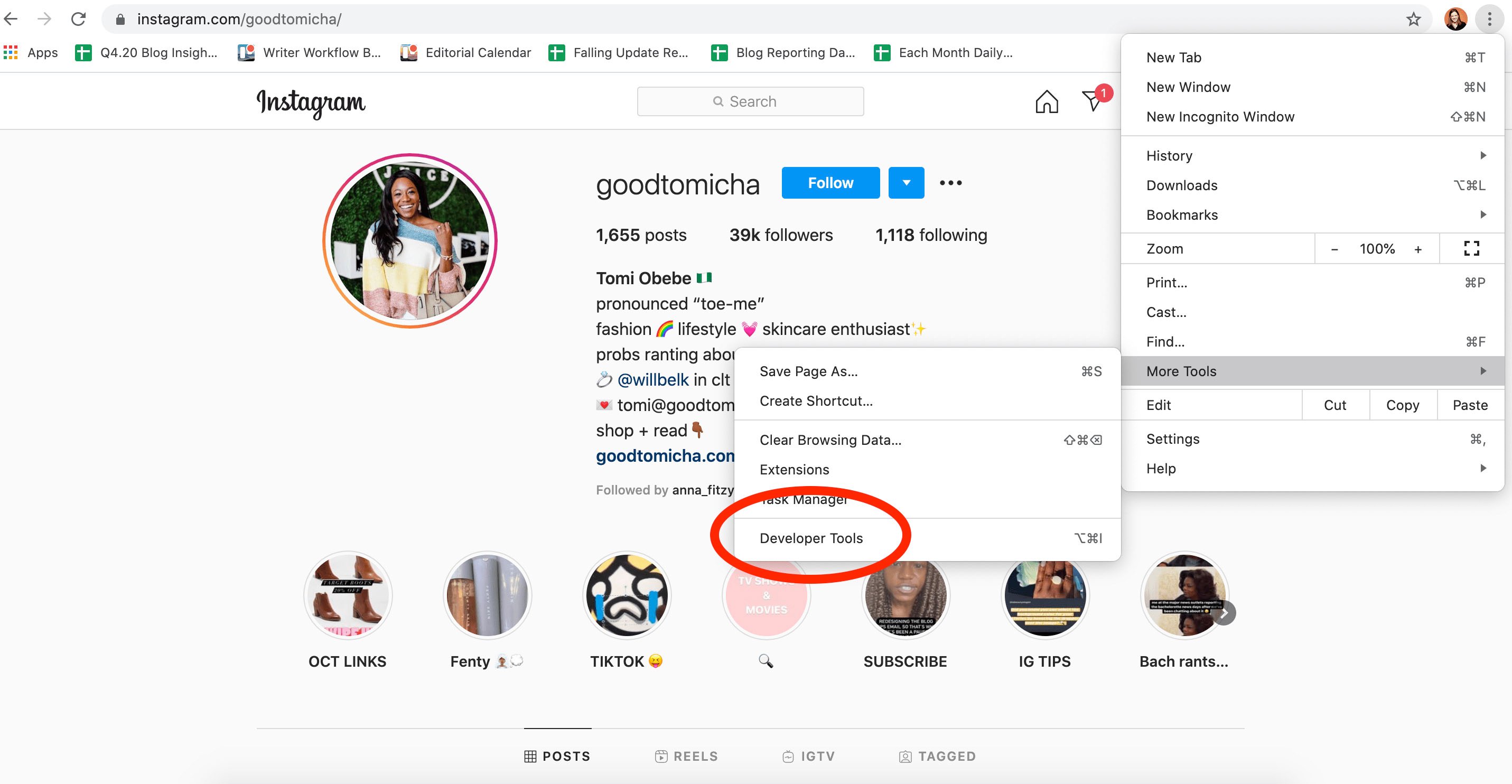
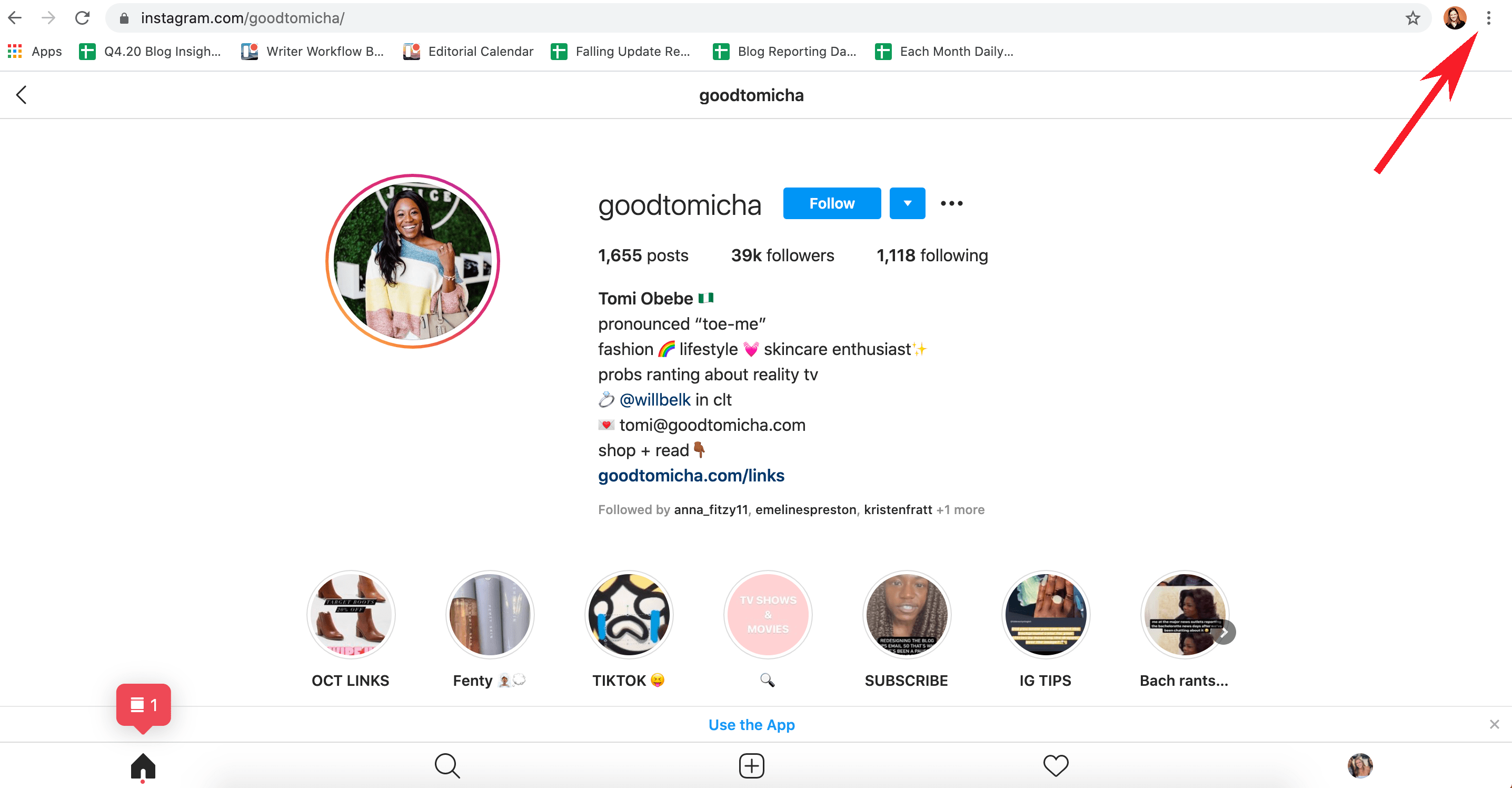
2. Open the "Settings" menu by clicking the three dots in the top right corner of the browser.

click on settings in chrome browser

Instagram Account Credit: @Goodtomicha

Up in the top menu on the far right side, you'll find three verticle dots. Once you click these, a drop-down menu will open up.

3. Scroll down to "More Tools" in the drop-down menu, and then click "Developer Tools".

find developer tools on google chrome

Developer Tools gives you access to a menu that opens up in a panel on the right side of your window. This will give you advanced control over how your browser displays content, helping you post to Instagram from desktop using Chrome.

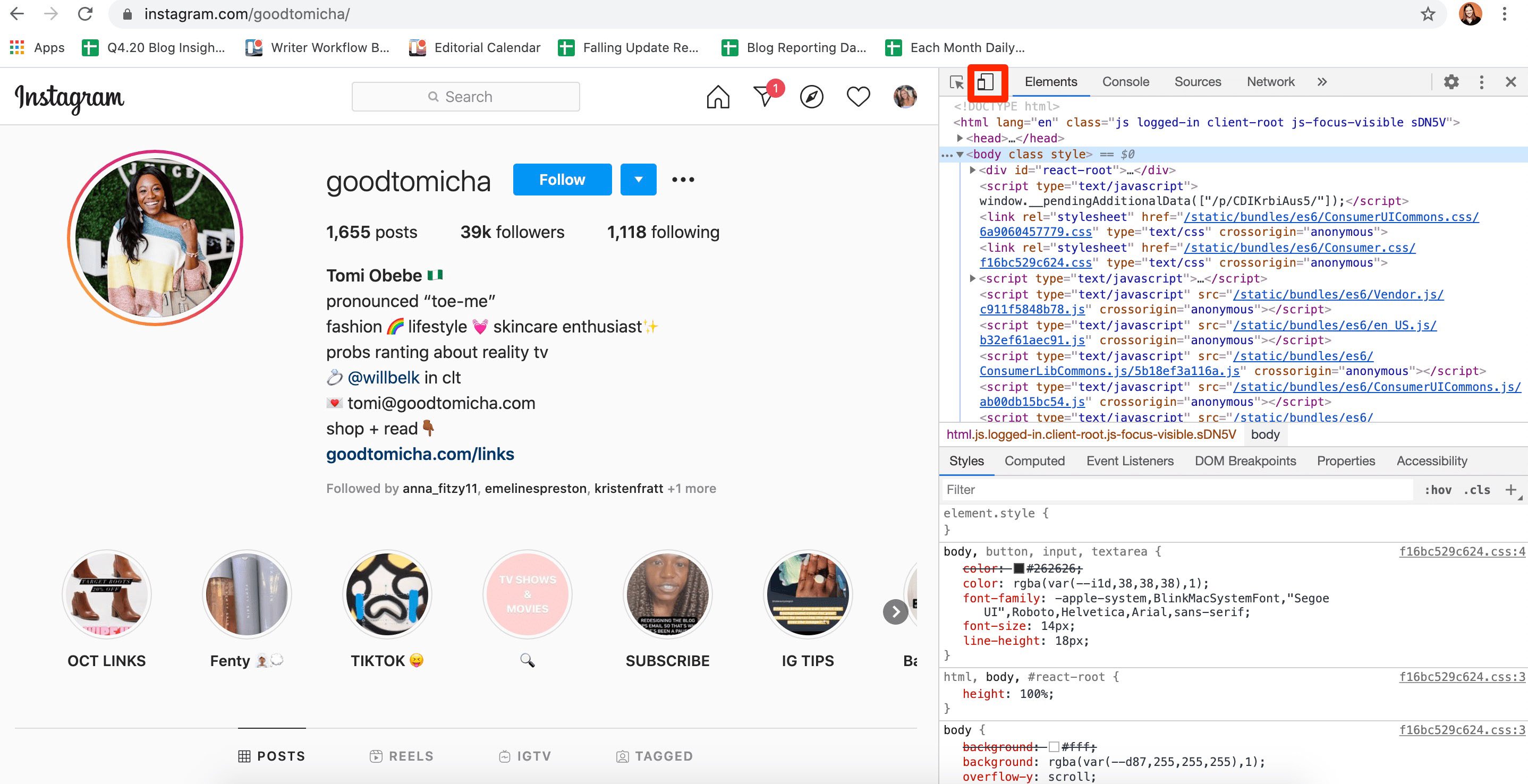
4. Click the "Toggle Device Toolbar" mobile button.

clicking on mobile toggle to change the desktop version to mobile instagram

On the top left corner of the new panel, you'll see an icon with two squares that represent a tablet and a mobile device. Clicking it will reveal the Device Toolbar that gives you advanced control over your browser.

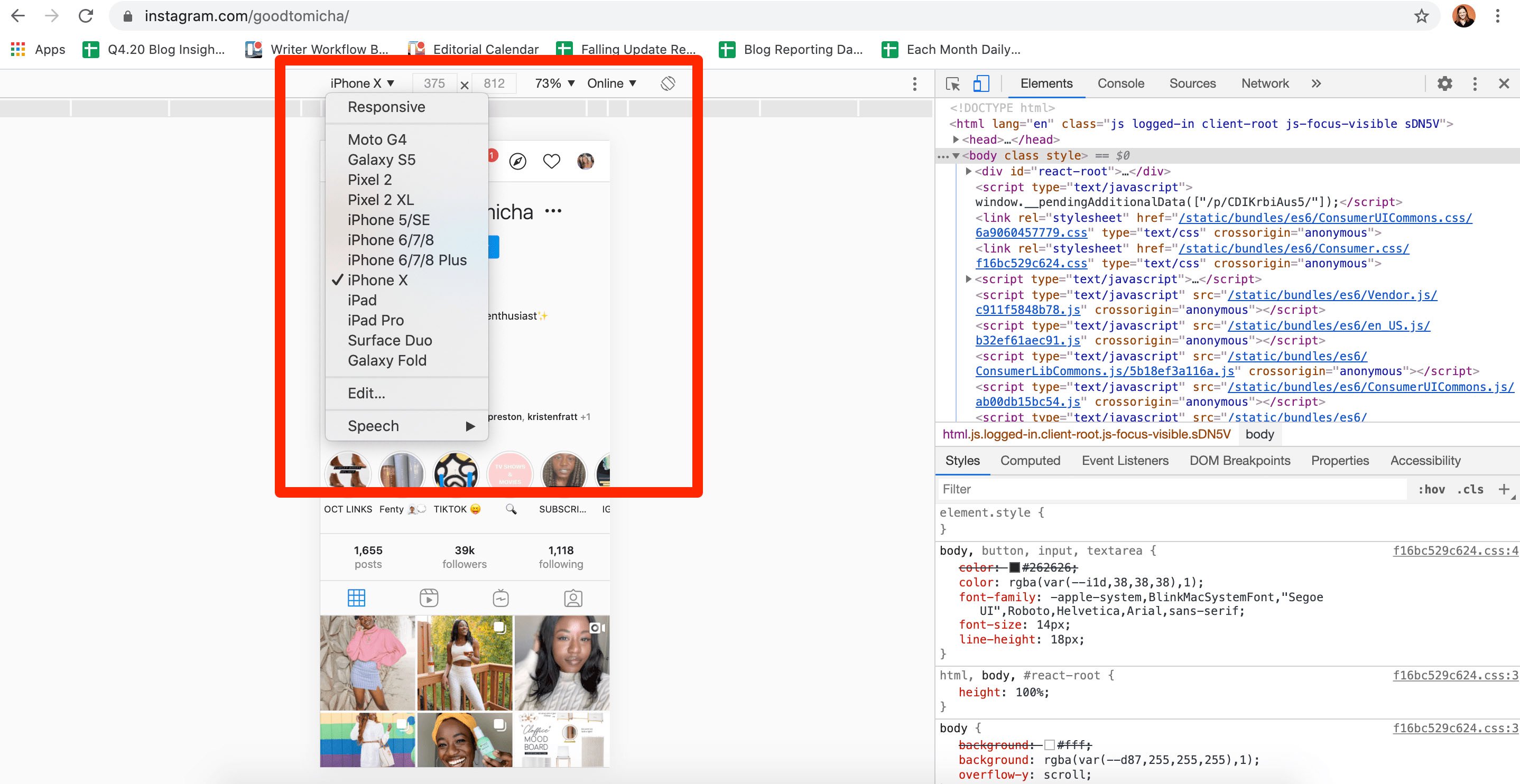
5. Choose which mobile device you'd like from the drop-down menu.

changing responsive design on desktop so it resembles instagram on mobile copy

In the Device Toolbar, you'll see another drop-down menu with a list of mobile devices. Selecting one will tell the browser to emulate how a website looks on that particular device you selected. 

Choose which mobile device you'd like on the drop-down menu, as well as how zoomed in you want to be.

6. Refresh the page to see the mobile interface of Instagram from your browser.

You should then be able to able to use Instagram straight from the emulation or even close the panel on the right side while retaining this "mobile view."

7. Upload an Instagram post the same way you would via mobile.

You can upload a Instagram post the same way you would via mobile:

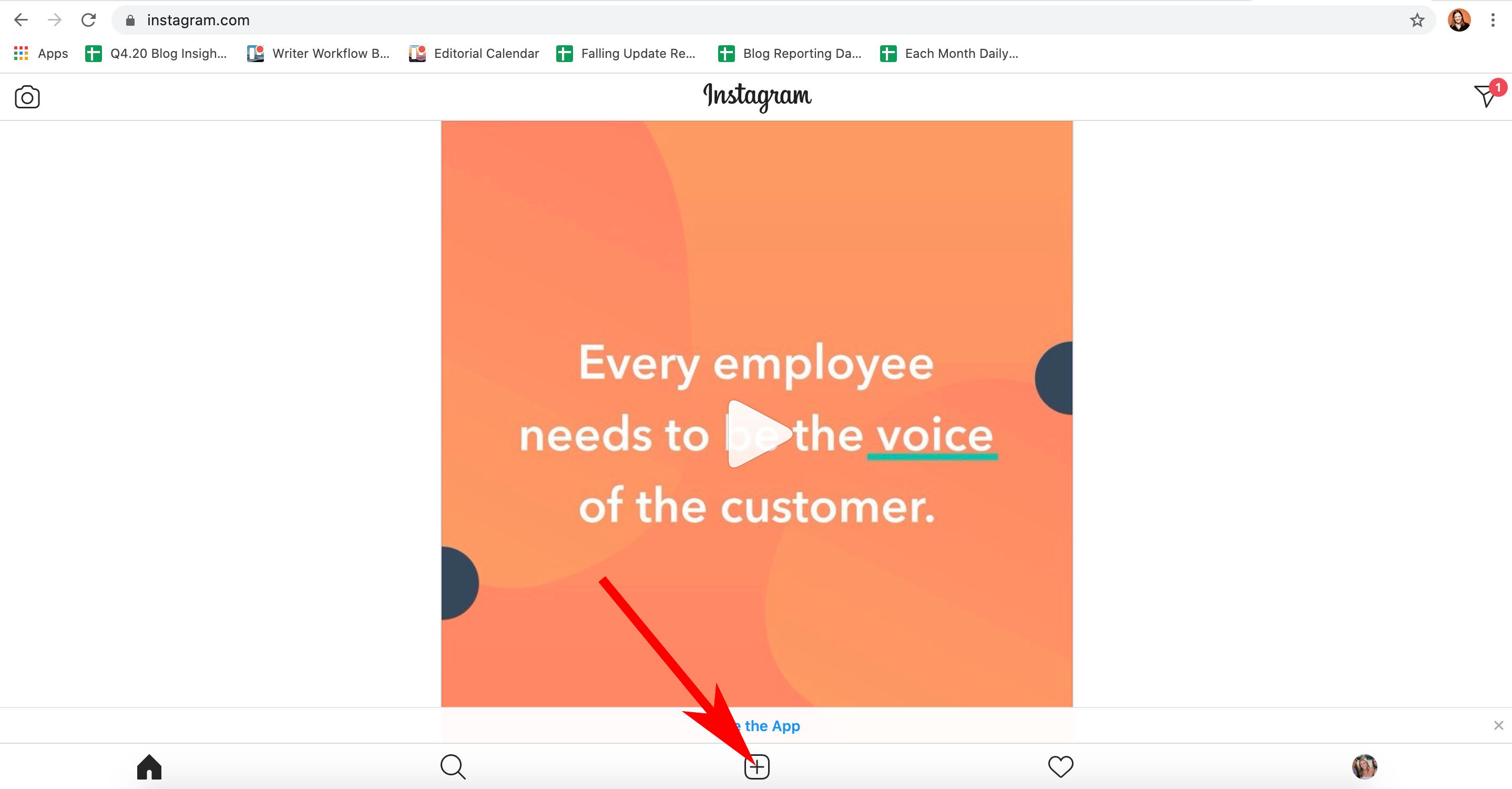
1. Click the "+" button.

clicking add post on desktop

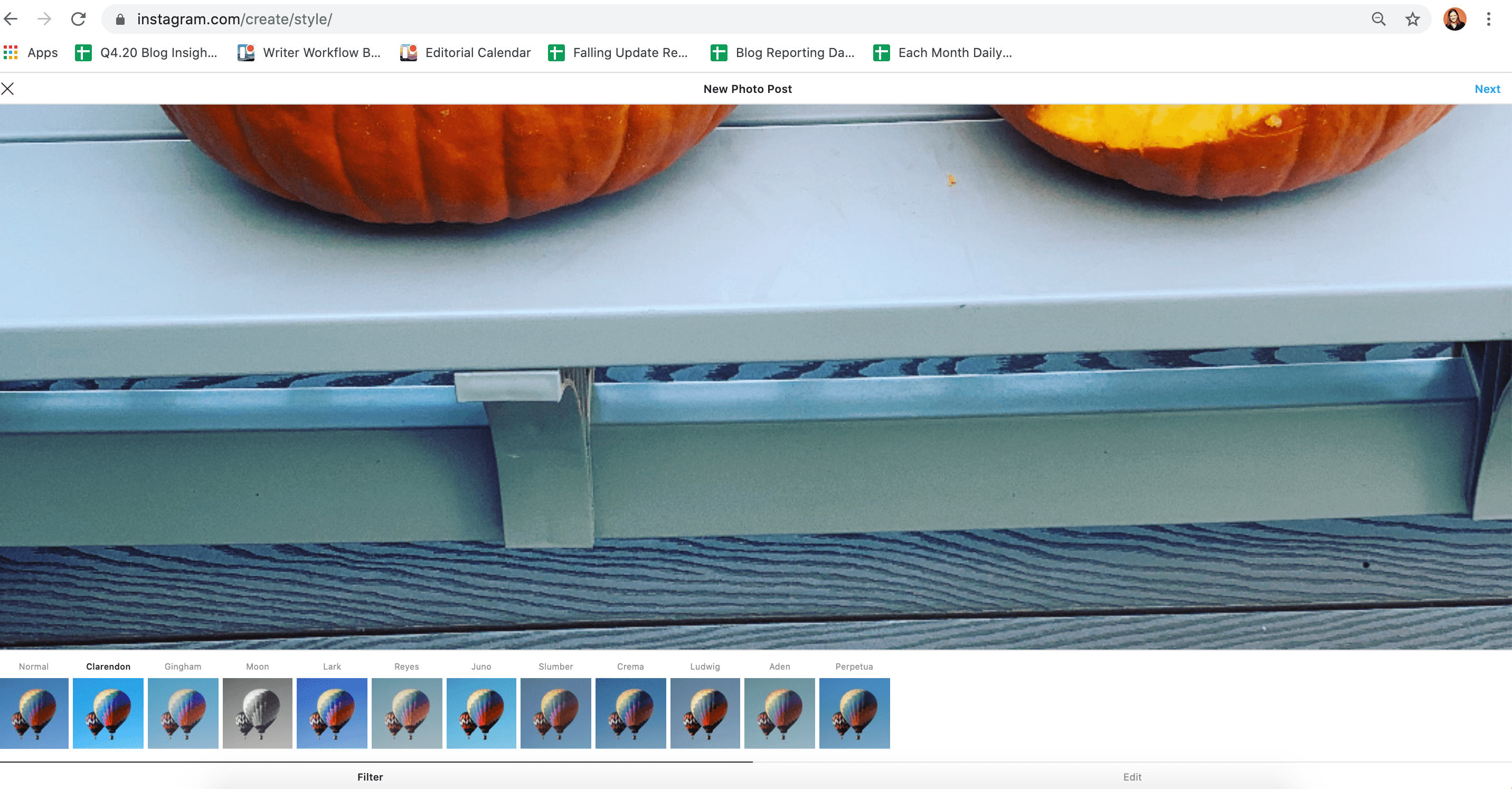
2. Add filters.

Choose filters or other editing features like you would normally, then click Next in the top right of your screen:

instagram filters on desktop

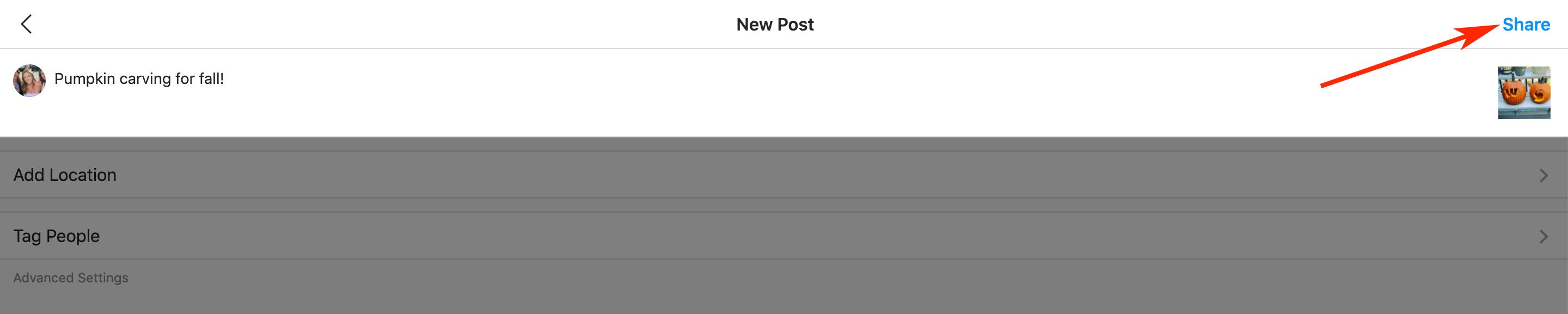
4. Add captions, locations, and tags.

On the next screen, you'll be able to add a caption, location, or tag people. When you're ready, click Share in the top right of your screen.

typing a caption on my instagram post on desktop copy

1. Navigate to Instagram's website in your Safari browser.

The first thing you'll want to do is open up Safari and navigate to https://www.instagram.com/ by typing it into the navigation bar. 

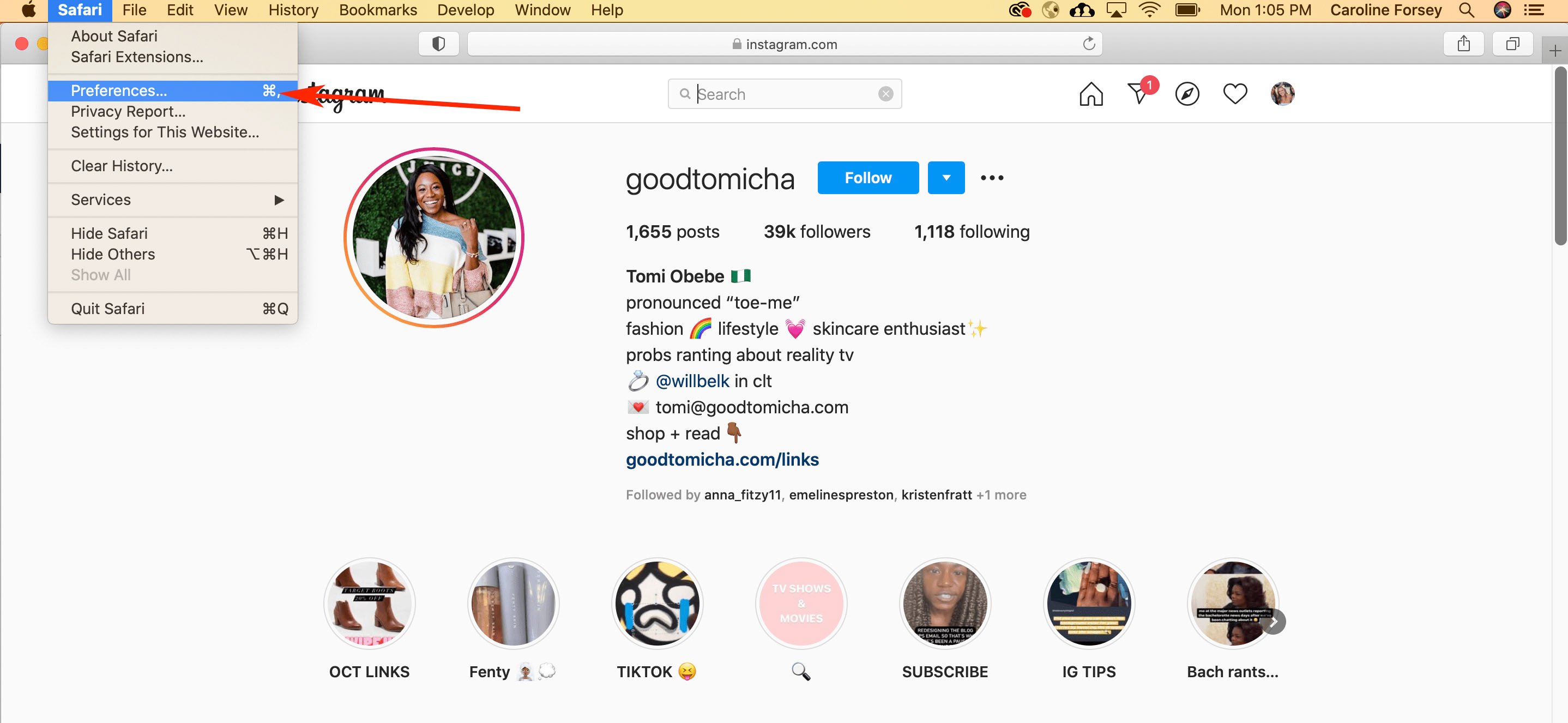
2. Click "Safari" and then select "Preferences" in the menu bar.

safari prefences drop-down menu

Up in the top menu, click Safari. This is where you'll find your browser's "Preferences" settings in the drop-down menu.

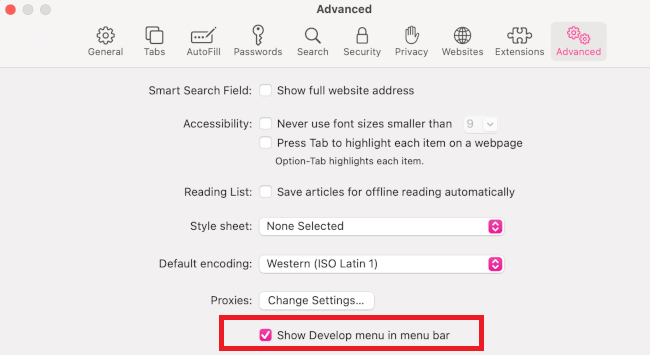
3. Click "Advanced" and check the box that reads "Show develop menu in menu bar".

advanced menu in safari

Under "Advanced," you'll have the options to show the Develop menu in the menu bar. By checking this box, you'll get access to a menu that will give you advanced control over how your browser displays content. This will help you post to Instagram from desktop using Safari.

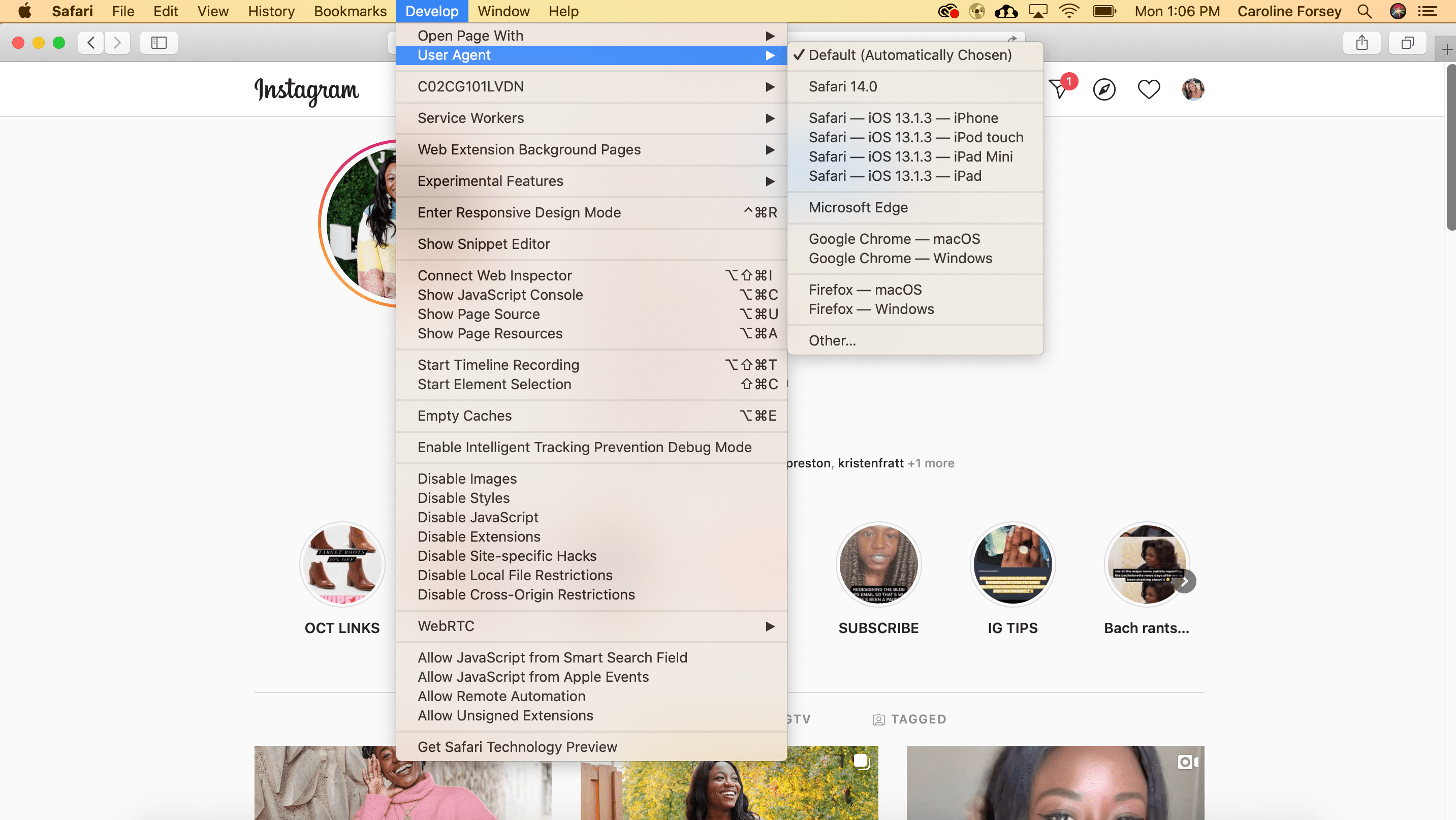
4. Click "Develop" in your menu bar and then scroll to "User Agent". 

click develop in menu bar, scroll to user agent in safari

Once you click out of the previous screen and return to Safari, you'll see that new Develop option in the top menu bar. Clicking it will reveal the features that give you advanced control over your browser.

5. Choose which mobile device you'd like on the drop-down menu.

When you select User Agentfrom the Develop menu, you'll see another drop-down menu with a list of mobile devices. Selecting one will tell the browser to emulate how a website looks on that particular device you selected.

Choose which mobile device you'd like on the drop-down menu.

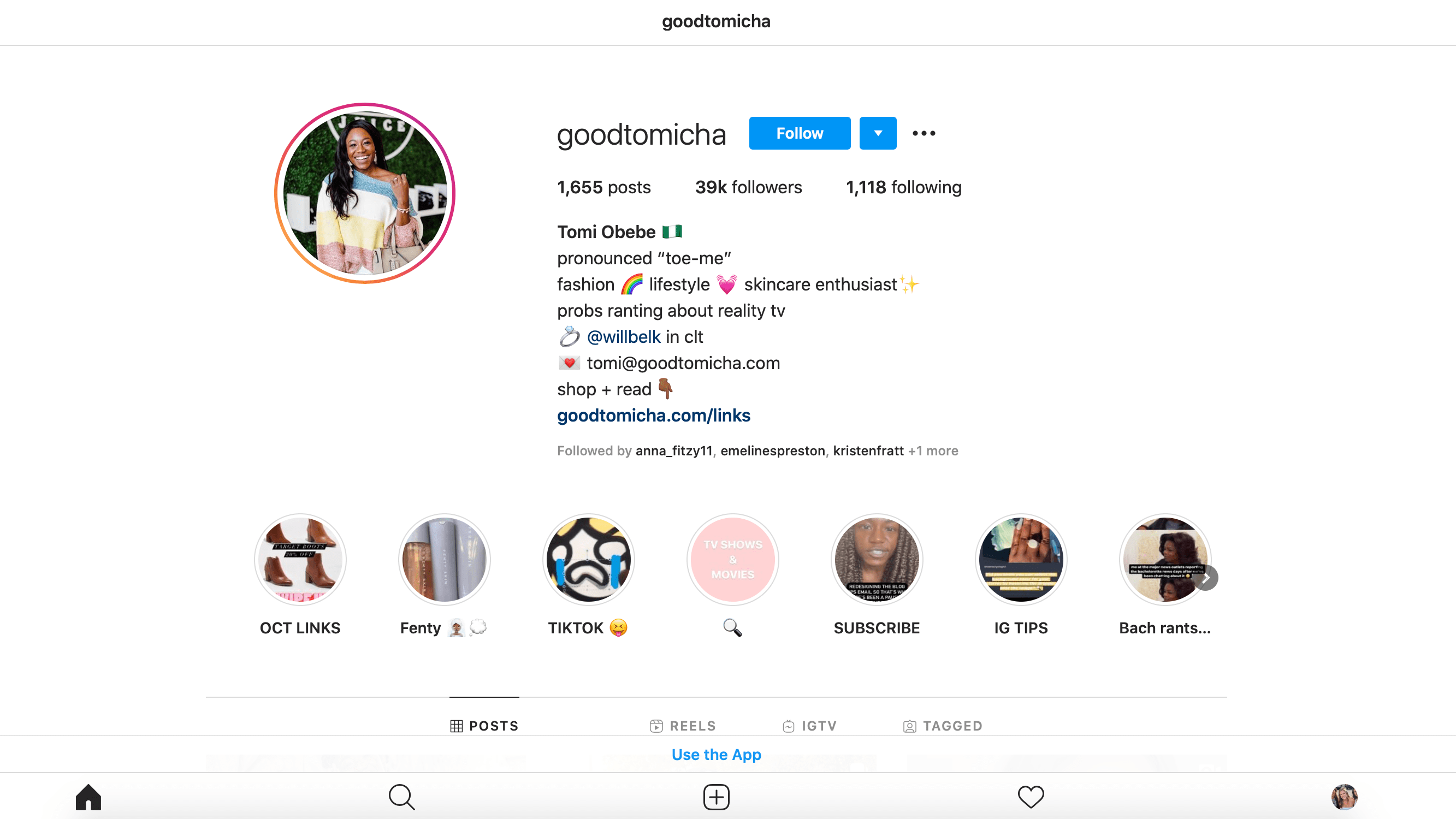
6. Refresh the page to see the mobile interface of Instagram from your browser.

posting on instagram using safari browser

You should then be able to able to use Instagram straight from the emulation while retaining this "mobile view."

7. Upload an Instagram post the same way you would via mobile.

Once you are able to view Instagram from your Safari browser, you can upload an Instagram post the same way you would via mobile — by clicking the "+" button, adding a filter or editing the photo, adding a location and caption, and clicking "Share" when you're ready for your post to go live.

(The instructions for posting an image to Instagram are the same as they are for the Chrome browser instructions, listed above.)

How to Post a Video to Instagram Using a Desktop Computer

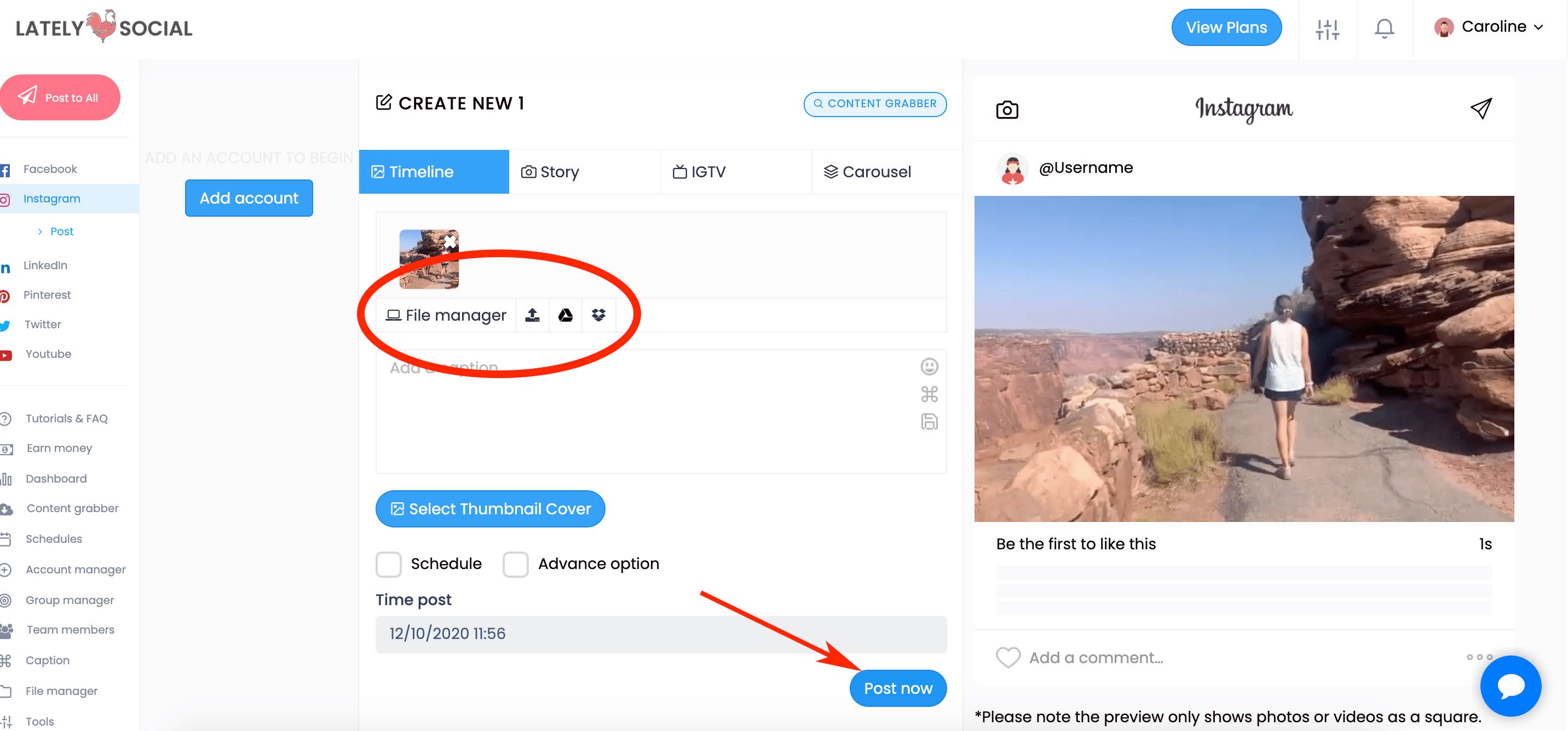
To upload a video to Instagram from your desktop, you'll need to use a third-party service that offers social media scheduling software.

There are a few you might try, including the Flume App for Mac or Lately Social ($14 per user per month for Agency plan).

For our purposes, I used Lately Social's free personal plan to upload and post a video directly to my Instagram:

lately social tool dashboard

Of course, if you're doing this regularly it might be worthwhile to explore all the social media scheduling tools at your disposal to choose the one best-suited for your business' needs.

Using Instagram Like the Pro You Are

Now that you don't have to worry about transferring photos to your mobile device or juggling your work's social media account on your own device, you'll be able to grow on Instagram efficiently and effectively. From there, the sky is the limit for creating posts and growing your audience in a scalable way.

Editor's note: This post was originally published in October 2020 and has been updated for comprehensiveness.

New Call-to-action


How to Post to Instagram From Your Computer [7 Easy Steps] was originally posted by Local Sign Company Irvine, Ca. https://goo.gl/4NmUQV https://goo.gl/bQ1zHR http://www.pearltrees.com/anaheimsigns


The Ultimate List of Instagram Stats [2021]

With more than 1 billion active monthly users, brands are quickly recognizing the need to have a presence on Instagram.

But, as with any social network, the brands that are getting the most out of Instagram are the ones who are smart about what they post, when they post, how often they post, and whom they're targeting.

But how do they know what's a "smart" post for their business?

That's where the Instagram data comes in. There's a whole lot of research out there about Instagram — everything from the demographics of its users and how often brands are posting, to how negative space affects the performance of your posts (hint, hint: #26).

Read on to uncover more social media stats that'll help you get ideas and improve your own Instagram posting strategy.

New Data: Instagram Engagement Report [2021 Version]

43 Instagram Stats

Click on a category below to jump to the stats for that category:

  1. Instagram's Growth
  2. Audience & Demographics
  3. Brand Adoption
  4. Instagram Post Content
  5. Instagram Posting Strategy

Instagram's Growth

1. As of May 2021, there are over 1 billion Instagram monthly active users worldwide. (Source)

2. As of 2020, there's an estimated 107 million Instagram users in the U.S. alone — which is predicted to grow to almost 126 million by 2023.(Source)

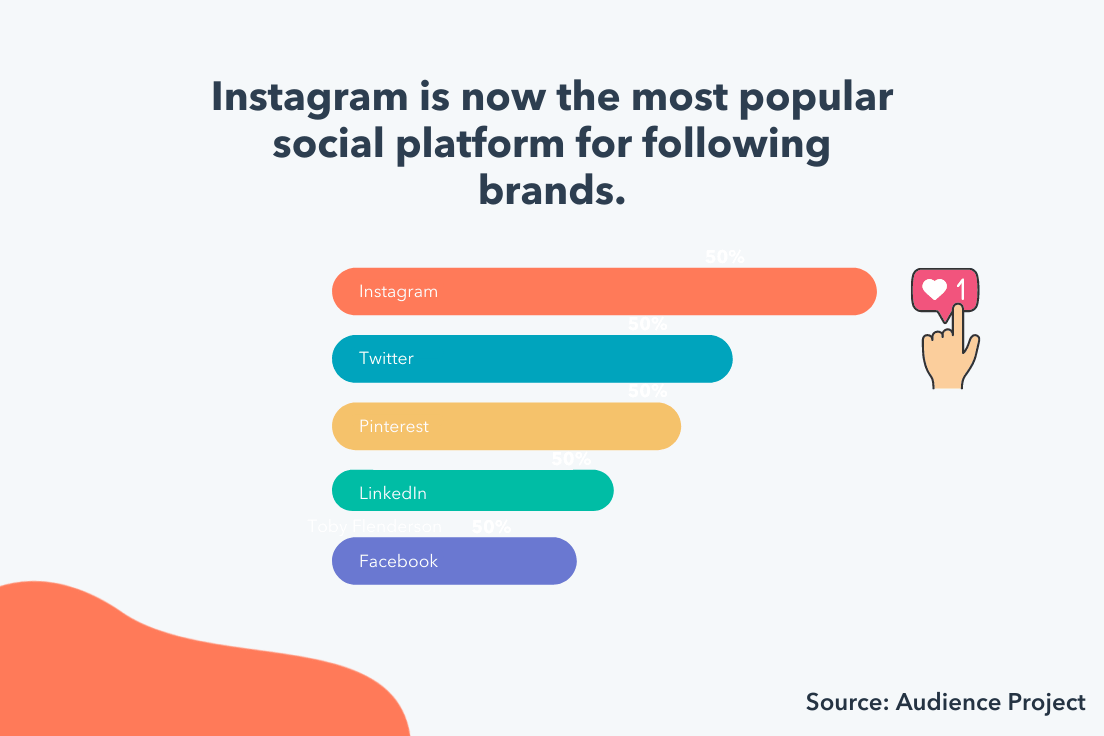
3. As of February 2021, 40% of U.S. adults say they've used Instagram. This is a larger percentage than use Pinterest, LinkedIn, and Twitter. The only two social media apps more popular than Instagram are Facebook and YouTube. (Source)

4. Instagram generated $20 billion in ad revenue in 2019. In 2012, Facebook bought Instagram for one billion. (Source)

instagram is most popular social platform for following brands.

5. Instagram experienced a nearly 14% jump between 2019 and 2020 in its users' time spent on the app, to an average of 30 minutes per day. This was higher engagement growth than all other social platforms. (Source)

6. Other than Instagram's own account, the most-followed Instagram account as of February 2021 is run by professional soccer player Cristiano Ronaldo, followed by celebrities Ariana Grande, Dwayne (The Rock) Johnson, and Kylie Jenner. (Source)

Audience & Demographics

7. 71% of U.S. adults between 18-29 use Instagram, compared to 70% on Facebook and 30% on LinkedIn. (Source)

8. 47% of U.S. Instagram users make more than 75,000 per year.(Source)

9. As of October 2020, 510 million Instagram users are female, and 490 million are male. (Source)

10. 72% of teens use Instagram, and 57 million U.S. teenagers say Instagram is their preferred social media platform. (Source)

11. 500 million+ accounts use Instagram Stories every day. (Source)

12. 35% of music listeners in the U.S. who follow artists on Facebook and Instagram do so to connect with other fans or feel like part of a community. (Source)

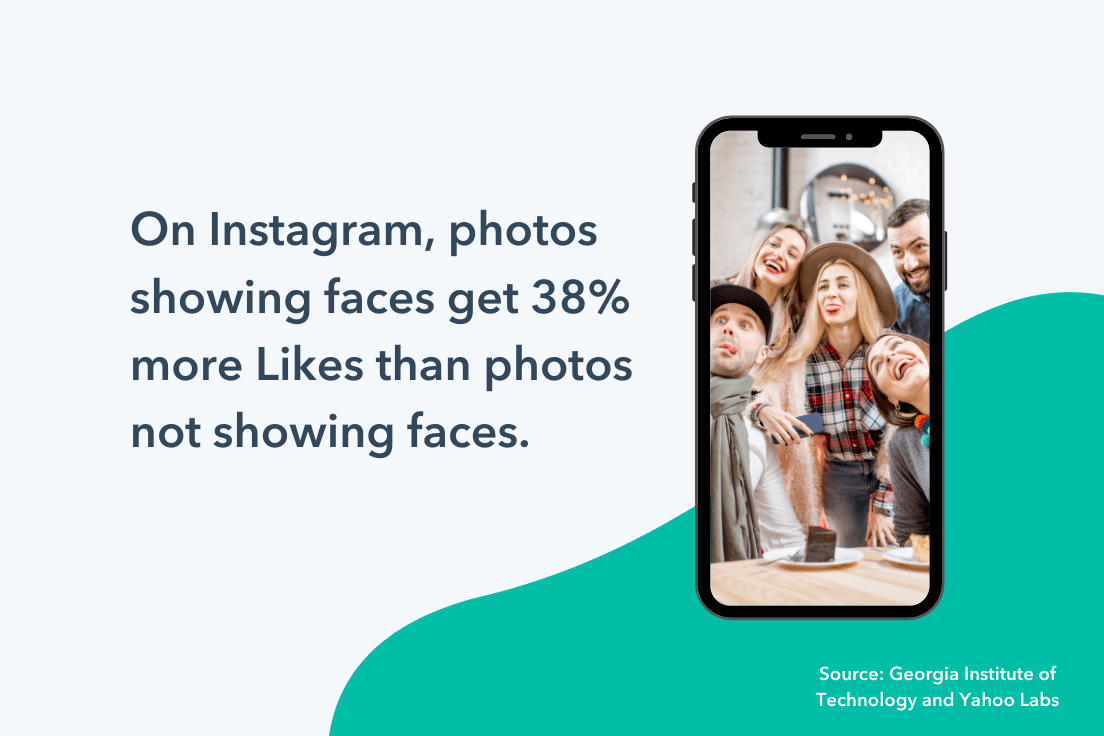
On instagram, photos showing faces get more likes.

13. The average Instagram user spends 30 minutes a day on the app.(Source)

14. 45% of Instagram users live in urban areas. (Source)

15. As of January 2021, the countries with the most Instagram users are the U.S. (140 million), India (140 million), and Brazil (99 million). (Source)

Brand Adoption

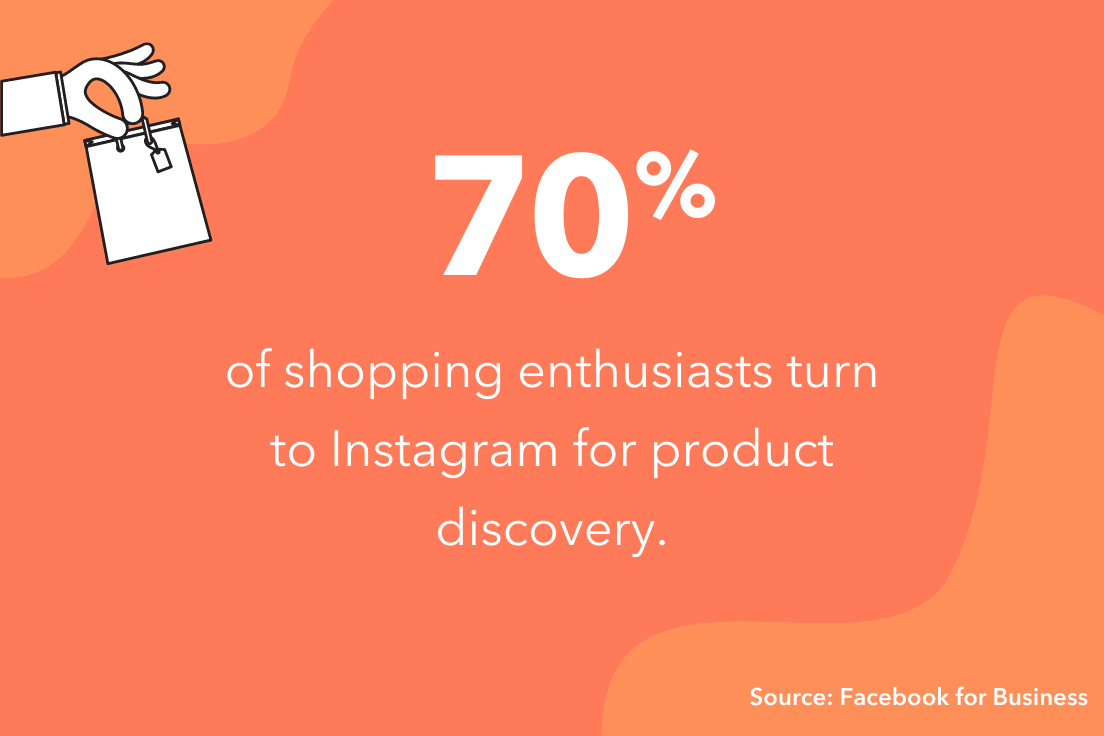
16. 70% of shopping enthusiasts turn to Instagram for product discovery. (Source)

17. 69% of US marketers plan to spend most of their influencer budget on Instagram. (Source)

18. 90% of people on Instagram follow at least one business. (Source)

19. 50% are more interested in a brand when they see ads for it on Instagram. (Source)

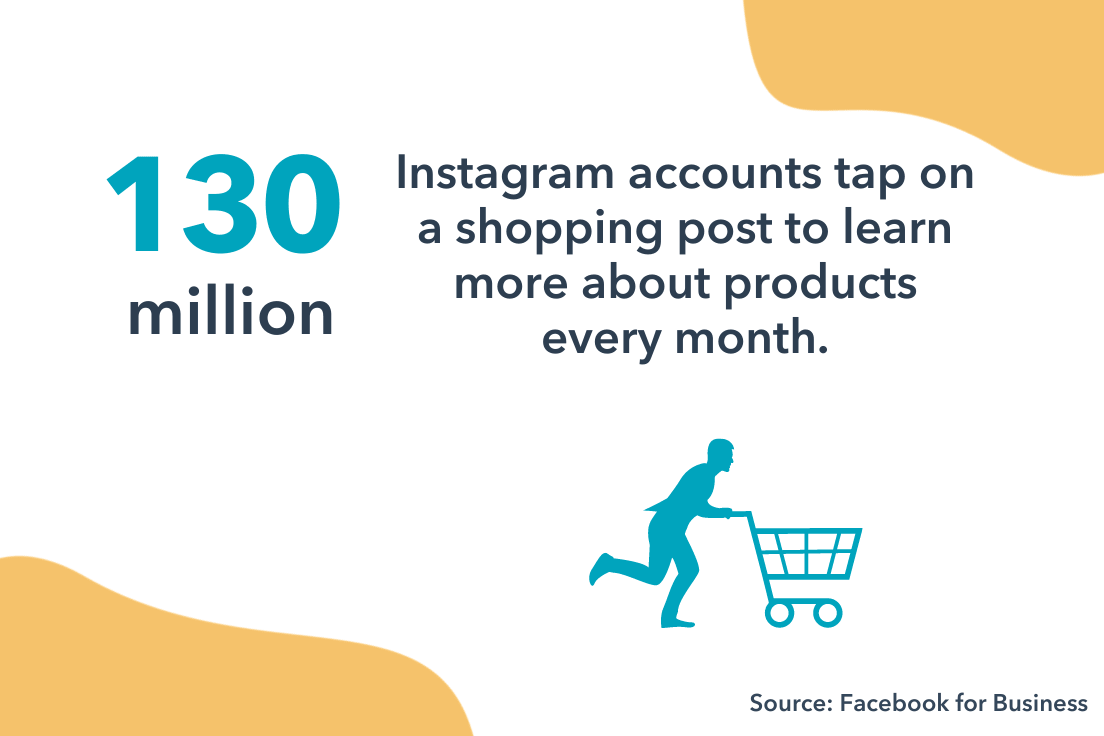
130 million instagram accounts tap on shopping posts to buy products.

20. In a 2021 report, the higher education industry currently has the highest engagement rate of any other industry per post on Instagram, at 3.19%. Second was sports teams at 1.79%, and third was influencers at 1.42%. (Source)

21. 67% of users surveyed have 'swiped up' on the links of branded Stories. (Source)

22. 130 million Instagram accounts tap on a shopping post to learn more about products every month. (Source)

Instagram Post Content

23. 995 photos are uploaded on Instagram every second. (Source)

24. The median posting cadence across all industries is 4 posts per week. The median posting frequency declined by just 8% this year compared to last. (Source)

25. On Instagram, photos showing faces get 38% more Likes than photos not showing faces. (Source)

26. On Instagram, images with a high amount of negative space generate 29% more Likes than those with minimal negative space. (Source)

70% of shopping enthusiasts use instagram for product discovery.

27. On Instagram, images featuring blue as the dominant color generate 24% more Likes than images that are predominantly red. (Source)

28. This is so much so that the latest Instagram statistics show that an average Instagram post contains as many as 10.7 hashtags. (Source)

29. Image posts received 27.55% more likes than permanent video posts. (Source)

30. An average image on Instagram gets 23% more engagement than one published on Facebook. (Source)

31. The most geo-tagged city in the world is Los Angeles, California and the tagged location with the highest engagement is Coachella, California. (Source)

Instagram Posting Strategy

32. The best time to post on Instagram is Thursday between 5 a.m. and 11 a.m. in your respective time zone. (Source)

33. Posts with a tagged location result in 79% higher engagement than posts without a tagged location. (Source)

34. 20% of users surveyed post to Instagram Stories on their business account more than once a week. (Source)

35. 44% of users surveyed use Instagram Stories to promote products or services. (Source)

36. One-third of the most viewed Stories come from businesses. (Source)

69% of marketers will spend influencer budget on instagram. 37. More than 25 million businesses now use Instagram to reach and engage with audiences. (Source)

38. 69% of US marketers plan to spend most of their influencer budget on Instagram. (Source)

39. In April 2020, the number of Instagram influencers cooperating with brands who used #ad decreased by 30% compared to April 2019, and it was the lowest total since August 2019. (Source)

40. The industry that had the highest cooperation efficiency with Instagram influencers was Health Care, where influencer posts were 4.2x more efficient than brand posts. (Source)

41. Micro influencers – those with less than 100,000 followers – made up an average of 93% of all brand cooperations in 2020. (Source)

42. 46% of B2B content marketers used Instagram as an organic play in 2020. (Source)

43. Instagram is now the most popular social platform for following brands. (Source)

instagram statistics


The Ultimate List of Instagram Stats [2021] was originally posted by Local Sign Company Irvine, Ca. https://goo.gl/4NmUQV https://goo.gl/bQ1zHR http://www.pearltrees.com/anaheimsigns
How to Create a Profitable Amazon Marketing Strategy for 2020

Amazon is everywhere. There’s no getting around it: From small sellers to large enterprises, getting your products noticed — and purchased — means you need a marketing strategy that lets you make the best use of this online ecommerce behemoth.

Today’s consumers use Amazon as their first point of contact for finding almost any type of product information. In fact, 63% of online shoppers go to Amazon to start searching for products. But with so many products available from multiple sellers with varying shipping options and discounts, it’s easy for your brand to get passed over by potential buyers.

Download Now: Ecommerce Marketing Plan Template

Bottom line? Amazon is the ecommerce heavyweight. Love it or hate it, you need a market strategy that helps your brand stand out among the thousands of others all vying for consumer attention. That’s why we’ve built this guide — to help you build a profitable marketing strategy and succeed in the sales jungle that is Amazon.

Bookmark this post for later, and use the chapter links below to jump ahead to sections of interest.

1. Create an Amazon Advertising strategy.

Generally speaking, an Amazon Advertising strategy consists of four components: Amazon reviews, SEO, affiliate marketing and social media marketing.

What is Amazon Advertising?

Amazon Advertising (previously Amazon Marketing Services) is a pay-per-click service similar to Google Ads: Brands only pay when potential buyers click on targeted ads. Designing the idea ad is critical to getting your brand noticed and generating sustained revenue.

There are three common types of Amazon Advertising ads: Product Display, Sponsored Product and Headline Search.

Product Display ads show up on the side or bottom of Amazon SERPs and along the side of related product pages. When clicked, Product Display ads lead to a product page.

What is Amazon Advertising product display ads

Sponsored Product ads appear in the Amazon SERPs and on product pages before the product description.

What is Amazon Advertising sponsored product ads

When clicked, Sponsored Product ads lead to a product page.

what is amazon advertising sponsored ads

Headline Search ads are the most customizable Amazon ad.

headline search ads on amazon

They appear at the top of Amazon SERPs and can include custom ad copy as well as link to a branded landing page on which you can feature custom navigation, branded imagery, and select products.

headline search ads on amazon

2. Develop an Amazon reviews strategy.

Customer reviews and ratings are important. They’re even more important in the world of ecommerce, where shoppers can’t physically see or touch a product before buying. In fact, recent data found that customers prefer not to engage with brands that have less than 3.3-star ratings.

Amazon recognizes the power of customer reviews, and — true to their buyer-first mindset — makes reviews a major part of each product page. Shoppers can view customer images, filter reviews by suggested keywords, search for content within reviews, sort reviews by stars, and review customer questions and answers.

how to Develop an Amazon reviews strategy

As a seller, you should always prioritize reviews. They can make or break a shopper’s decision to purchase — and the more positive reviews your product has, the more likely you’ll turn casual interest into conversion.

Here are a few ways to do this ask your customers to complete one. Here are a few ways to do this:

It’s also worth noting that Amazon allows sellers to respond to reviews. This offers a great way to engage directly with customers, express gratitude for purchases, and quickly address issues or complaints.

Learn new tactics for responding to customer reviews — the good, bad, and the ugly — in our free Ultimate Guide to Customer Reviews.

3. Deploy an Amazon SEO strategy.

Let’s be clear: Amazon dominates the ecommerce market in North America. But it’s not just an ecommerce site — it’s also a search engine. And as a search engine, it has its own search engine optimization or SEO.

Amazon’s search engine is called A9. It operates on its own algorithm and comes with its own unpredictable updates, similar to Google. A9 is also similar to Google in another key way: Searchers (in this case, buyers) are its top priority.

This is great if you’re a shopper, but more challenging if you’re a seller.

Thankfully, there’s a simple rule for Amazon SEO strategy: Think like a buyer. This means optimizing your content for three things: Discoverability, relevance, and sales. In other words, you want shoppers to see, click, and buy your products.

Create listings that reflect commonly-used keywords for your product category and make sure your product pages provide up-to-date, relevant information that offers direct value to buyers.

4. Integrate an Amazon affiliate marketing strategy.

Product round-ups published by popular blogging sites make it easy to scan a list of top-rated products and find direct links to Amazon.

But how do these products end up on the list? Affiliate marketing. Affiliate marketing is effectively an exchange: In return for your product being published/mentioned/shared, you pay a small fee to the affiliate site if readers click and purchase. It’s a win-win scenario that helps you drive sales and collect positive reviews. It’s also a critical way to build brand awareness, especially if the affiliate site generates a substantial amount of web traffic.

👉🏼HubSpot Tip: Tap into Amazon’s Affiliate Program. It’s free and easy to use and immediately connects you with approved affiliates.

5. Expand your Amazon social media marketing strategy.

It’s a good idea to expand your marketing efforts with a social media strategy that ties back to your Amazon page.

Here, the goal isn’t to create purely promotional Facebook, Twitter or Instagram accounts but instead cultivate a brand identity that offers value to your consumers with interesting posts, facts and links. You can also use your social media to share product updates, announce sales and giveaways, and invest in some paid advertising.

Here, the key is balance: Too much branded content and you’ll lose customer interest. The occasional mention and link to your Amazon page, meanwhile, can help you connect with prospective buyers and drive total sales conversions.

👉🏼HubSpot Tip: Share your social media accounts on your Amazon brand page and product listings to build your follower list.

1. Product Title

How to Optimize Your Amazon Product Pages product titleThis is an Amazon product I actually purchased. You’ll see this example throughout the piece.

Your product title is a consumer’s first introduction to your product when browsing Amazon. While you should keep your titles concise, Amazon does allow up to 200 characters. Use this character limit wisely, though.

Here’s what we recommend including:

  • Your brand name
  • The product name
  • Specific features (such as size, color, material, quantity, etc.)
  • One or two distinguishing benefits or values

Here are some of Amazon’s title formatting rules:

  • Capitalize the first letter of every word (except for words like “and”).
  • Use “and” instead of “&” and numerals (“10”) instead of written numbers (“ten”).
  • Don’t put pricing, seller information, promotions, and opinion-based copy (words like “best” or “leading”) in the title.
  • Leave out details like color or size if irrelevant to the product.

Your title is prime real estate for two things: Product information and keywords. For most products, these are one and the same, but some sellers opt to add a few additional keywords to increase their chances of popping up on Amazon SERPs.

Ultimately, your title should match the words shoppers use to discover your product and educate them on your product before they get to your page.

👉🏼HubSpot Tip: Use tools like Merchant Words and Simple Keyword Inspector to research potential keywords and their search volume.

2. Product Images

How to Optimize Your Amazon Product Pages product images

While your titles communicate your product information, consumers often use your images to decide whether or not to further explore your product page. This is especially critical on a long list of Amazon search results — the right product imagery can help your product stand out from the crowd.

Once a shopper visits your product page, however, imagery is even more important and can dictate whether a consumer makes a purchase not.

Amazon allows up to nine product images, and we recommend using all of them with a simple caveat: Only if you have nine high-quality, relevant images.

While Amazon requires your main product image needs to be on a plain, white background, here are some tips for your other eight product images:

  • Capture your product from different angles.
  • Show your product being used or worn by a real person (not a mannequin or computer-generated human).
  • Include content submitted by real customers — and make note of that on the image.
  • Upload images that include charts, lists, or competitor comparison tables.

Amazon also offers shoppers the ability to zoom into each image. As a result, your product images should be at least 1,000px x 1,000px to ensure images don’t become fuzzy or distorted when customers zoom in.

👉🏼HubSpot Tip: Test your product images to see which one converts more shoppers (like an A/B test). To do this, record your sessions, sales, conversion rate, and revenue over the course of a week or month — and make a note of which image was set as the main image. Then, change the image and capture the same data.

3. Product Key Features (Bullet Points)

How to Optimize Your Amazon Product Pages product key features bullet points

If a consumer makes it past your product title, images, price, and purchase options (if applicable), they’ll find your product key features, which take the form of bullet points. These bullet points allow you to go more in-depth about your product’s features, benefits, characteristics, and details.

Successful Amazon sellers use these bullet points to expand on features and benefits and to address common questions, misconceptions, or issues.

Here’s how we recommend you approach your product key features list:

  • Write a paragraph for each bullet and include two to four sentences or phrases that are relevant to that bullet’s topic.
  • Capitalize the first few words of each bullet to emphasize the feature, benefit, or question you’re addressing.
  • Treat these paragraphs as you would an advertising campaign. This copy could be the key to converting page visitors.
  • Avoid wasting space on information that’s obvious from product images or mentioned in your product title.
  • Keep them simple. Write a paragraph and then edit it, set it aside for a few days and then edit again. Short and to the point is the goal.

👉🏼HubSpot Tip: Look at reviews, complaints, and FAQs to learn what your customers love and not-so-love about your products. Proactively include and address these points in your list.

4. Product Description

How to Optimize Your Amazon Product Pages product description

If a consumer makes it to your product description, you can assume they’re on the cusp of making a purchase. How do we know that? Consumers have to scroll down a bit to find it.

Seriously. They have to scroll past Amazon ads, sponsored products, and other featured information. If they make it to your product description, they’re typically expecting to learn more about your product and finalize their purchase.

This makes your product description the ideal place to expand on your product bullet points, address some lesser-known features and benefits, and perhaps include some more images of your product. Additionally, consider listing details that set your product apart from competitors, such as specific construction methods, particular materials or interesting use cases.

Amazon allows the use of basic HTML markup in this section — including bold, italics, and page breaks — so utilize these to avoid publishing one big, boring paragraph of information.

👉🏼HubSpot Tip: Utilize Amazon’s A+Content option to make your content more scannable, professional, and consistent with your overall branding. We cover how to do this next.

5. Product Price

Setting the right price is critical for reliable sales conversions.

Start by determining your lowest possible sales price. This is effectively a “breakeven” price that includes the costs to produce your product along with money spent on marketing and any fees taken by Amazon — which vary depending on the type of item you’re selling, often between 8-20%.

For example, if these costs together total $10, this is your minimum price. You won’t make any money, but you won’t go out of business. While this can be a good starting point if you’re just breaking into the Amazon marketplace, your goal is to eventually sell products for as much as the market will bear.

To find your upper limit price point, do some research on similar, popular products on Amazon and see what they’re selling for. Next, determine how you want to position your brand — are you looking to lead the lower-cost market, or hoping to capture premium prices. Both are possible but require different approaches.

If you’re looking for premium prices, opt for whole numbers such as $50 or $100. For a lower-cost approach, go with a “99 cent” approach, such as $9.99 or $29.99.

6. Amazon A+ Content


The A+ framework provides pre-built templates that allow you to add additional features to your product descriptions, such as banners, tables, bullets, and interactive images and copy.

Amazon A+ Content

Source

The image above is the “Comparison Products” template, which is one of the most popular and functional templates for A+ Content. It’s now available via both Vendor and Seller Central and offers a great way to visually showcase how your product stacks up against the competition.

Factors that Can Increase Your Amazon Product Sales

1. Direct Marketing

A lot of Amazon marketing takes place within the platform (through advertising and SEO) but some sellers follow traditional direct marketing methods, too. While they require extra work, they can be beneficial for creating loyal customers and eventually bringing business off of Amazon to an ecommerce site, or driving users from social media sites to your Amazon account.

Direct marketing methods skip the middleman to present information about your brand directly to prospective customers. This includes the use of emails, text messages, phone calls, sales offers or newsletters.

Note: Be sure to read through Amazon's prohibited seller activities and actions to ensure you remain compliant. The biggest takeaway? All direct marketing efforts must be done with the informed consent of customers — unsolicited contacts could place your brand at risk of removal from the Amazon marketplace.

2. Email

Follow-up emails are a great way to engage with customers and get feedback that could help make your brand even better. Start by asking buyers if they consent to email contacts or surveys after their product purchase.

If yes, make sure to take their feedback to heart, both by responding to their emails with a thank you and correlating their response with other emails to see if a pattern emerges around product price, quality or another characteristic.

👉🏼HubSpot Tip: If you decide to do email marketing for your Amazon products, don’t forget to ask subscribers if they want to opt-in!

3. Website

Amazon offers a well-recognized starting point for your brand, but many sellers are also branching out into brick-and-mortar stores or more niche marketplaces such as Etsy.

While Amazon can help you be discovered and subsidize your shipping and customer support cost, creating a separate website can help build your brand beyond Amazon and aggregate customers and email subscribers of your own.

👉🏼HubSpot Tip: If you have no interest in building and managing an entire website, create a simple landing page to start. This will at least give your brand an online identity outside of your Amazon store and provide another place to collect emails and promote your social media.

4. Shipping

One of the biggest draws of Amazon is fast, free shipping for Prime members. If you’re looking to compete in this massive marketplace, you’ll need to consider shipping costs, speed and conditions for buyers before you set up your store.

While smaller businesses don’t have the economies of scale that allow them to offer 2-day free shipping, it’s often possible to offset the costs of shipping once order values are large enough. As a result, it’s worth doing the math to determine where it makes sense for your brand to offer free shipping for consumers — this might be $50, $100 or $150 worth of products purchased.

Best bet? Set your minimum free shipping cost just above your breakeven point using a whole number. For example, if $129 worth of products purchased makes it worth your while to offer free shipping, set the minimum amount to $150. This helps generate slightly more profit and can help convince users to add one or two more items to their cart in order to avoid shipping costs.

Understanding Amazon Analytics

Amazon analytics provides a snapshot of what consumers are searching for, what they’re buying and how often they’re purchasing the same item. Called “Brand Analytics”, these metrics are available to sellers directly responsible for selling their brand in the Amazon store.

Brand analytics are found under the “Reports” tab in Seller Central.

Brand Analytics, Explained

There are six brand analytics categories. Let’s break down each in more detail.

1. Amazon Search Terms Report

The Amazon Search Terms Report shows the most popular search terms in the Amazon store over a specific period and the top three products that customers click on after searching for a specific term. This can help your brand better target keyword usage over time.

2. Demographics Report

The Demographics Report provides information about buyers of your product that they’ve consented to share — including age, household income, gender and marital status. This allows you to see the impact of your marketing campaigns and adjust target consumer bases as required.

3. Item Comparison Report

This report shows the top five products most frequently viewed on the same day as your brand’s products to help you identify your top competitors and see what they’re doing differently.

4. Alternate Purchase Report

The Alternate Purchase Report shows the top five products that customers purchased most frequently instead of your products. Effective use of this report can help identify areas where your marketing strategy may be coming up short.

5. Market Basket Report

The Market Basket Report shows the top three products most frequently bought at the same time as your products. This can help your brand identify key add-on product opportunities to help bolster total sales.

6. Repeat Purchase Behavior Report

The Repeat Purchase Behavior Report shows the total number of orders for their products along with the total number of unique customers. This makes it possible to zero in on specific user characteristics that may influence repeat buying and help inform long-term marketing strategy.

You’re Now the King 👑 (or Queen) of the Jungle

While the Amazon platform seems daunting, the right marketing strategy can help your brand see sustained sales success.

First, develop a solid Amazon marketing strategy. Next, make sure your product pages stand out from the crowd and ensure you’re taking take every opportunity to increase total sales. Finally, use Brand Analytics to pinpoint areas of improvement across your brand.

The result? Your Amazon products will meet consumers wherever they are — whether they’re researching products, comparing prices, or looking to buy — and help get them where they need to go: Your checkout page.

Editor's note: This post was originally published in April 2019 and has been updated for comprehensiveness.

ecommerce planning template


How to Create a Profitable Amazon Marketing Strategy for 2020 was originally posted by Local Sign Company Irvine, Ca. https://goo.gl/4NmUQV https://goo.gl/bQ1zHR http://www.pearltrees.com/anaheimsigns