Thursday, September 3, 2020

26 Ideas for Your 2020 Small Business Marketing Strategy

Whether you're in the process of launching a new business or already have one, having a strong online presence for your brand is extremely important.

In fact, 97% of people learn about local businesses online more than anywhere else.

Small business owners looking for a way to track ROI and brand awareness need digital marketing. Not only is digital marketing a must-have for promoting your products or services, but optimizing your online assets is also critical to your business' overall success.

For local businesses, it's equally as important to have essential and updated information readily available for potential clients.

If you're a small business owner with little experience in online marketing, this might all sound like a foreign language to you. Have no fear -- we'll go through what all these words mean, and why you should care about them!

In this post, we'll help you build and optimize your marketing strategy using inbound marketing, setting you up to attract new clients and ultimately grow your business.

Whether you're struggling with budget, the time restraints caused by having a smaller team, or even lack of direction, a marketing plan that's appropriate for your business can provide guidance as you scale.

Small Business Marketing Strategies

These strategies are fundamental as you generate awareness and revenue for your organization:

1. Know your audience.

A key mistake is thinking that "anyone" is your buyer. Larger companies may be able to appeal to a wide market, but they say, "the riches are in the niches" for a reason. A niche is where you'll have the most leverage as a small business. And to develop a niche and appeal to buyers within the niche, you must understand their pains, problems, triggering events, and priorities.

What is pushing them to make a purchasing decision? What does it look like if they succeed? Knowing these things will help you craft messaging that resonates and makes a compelling case for your solution.

Start by thinking about your existing customers and who you'd like to work with. Then, create a buyer persona to start the process of getting into the head of your ideal client.

2. Emphasize your value proposition.

If there's no difference between you and your competition, there's no reason why a buyer would be compelled to work with you. Your value proposition is what will differentiate you from others in your space and make up your prospects' minds that you're the provider to go with. What do you do better than anyone in the industry? Conveying this makes a compelling argument.

3. Keep focus on singular goals and objectives.

If you're exploring the world of marketing, you may have noticed that there are a gazillion directions you can go in. It's tempting to do it all at once and craft a complicated machine in hopes that you covered all your bases, and it's easy to take on too much.

Instead, identify where the biggest impact will be. Where is the biggest blind spot in your marketing that's prohibiting your growth? Set a performance goal around that one key area and focus your resources on the activities and tactics that will achieve that one performance goal. You can expand your efforts or pivot to other initiatives when you've made more progress toward that singular goal.

4. Capitalize on short-term plays.

Start scrappy. As you scale, it's critical to see ROI sooner. This will give you the momentum and cash flow to put toward larger projects, long-term plays, and more sustainable growth models.

Tactics that take time to build (such as SEO) are poor fits for your primary initiatives because you won't see a return soon enough for your liking. If you have enough resources to start there, great, but don't put all your eggs in that basket.

If you have evidence that people are taking to Google with purchasing intent for your particular solution, you may find that paid ads will give you that short-term ROI.

5. Double-down on what works.

Once you have your initiatives running and you've experimented with a few things, pay attention to the data. This can inform you of what's working. As you scale, it's a good idea to double-down on proven methods of generating revenue.

6. Understand the power of existing customers.

It costs, on average, five times more to acquire a new customer than close an existing one. This means you shouldn't stop marketing once they've made a purchase.

Identify your opportunities for repeat purchasing, upselling, and cross-selling. Because your existing customers have already made a purchase, they already know, like, and trust you. If you've provided a good experience, you've given them a reason to do business with you again should the need ever arise.

Even if the need doesn't arise (in cases where it's a one-and-done purchase with no upsell opportunities), you should still delight your customers. Word of mouth is a powerful (and free) promotional tool.

7. Use free promotional tools.

Speaking of free promotional tools, it's important to note that since you've committed to a limited goal and scope, there's no need to inflate your overhead with gadgets. Use free promotional tools where possible, and only commit to paid tools if you know they will drastically improve existing operations or performance. Here's a helpful list of marketing tools (some free and paid).

1. Create a website to own your online presence.

Having a professional-looking website is one of the most important assets you will create for your small business. This is where you will show who you are, what you offer, where you are, and how a potential customer can get in touch with you.

It is a channel you will always own (unlike other platforms which may change policies or go in and out of style), and it has the capability of generating organic traffic in addition to being a place to send traffic from advertising and other marketing initiatives. 

Your website isn't just a simple brochure, either. You have the capability of turning it into a 24-7 salesperson by understanding how to convert traffic and turn them into leads (more on that later).

For one of the best website tools, check out HubSpot's CMS.

2. Consider blogging to attract prospects for your website.

Blogging is a great way to generate organic traffic, particularly those prospects who have not reached a purchasing decision yet. In addition, it can establish credibility in your space and position you as a thought leader.

To start a blog, you can use an inexpensive or free website tool to make a free site and use one of their templates. Even if you only publish once a week, it will improve your website's visibility online and help educate your potential customers on why they should trust your company. If you're planning to write your posts yourself, check out this beginner's guide to writing.

Once you start writing, you can add a call-to-action on your posts for visitors to subscribe to your blog and receive emails This is a great way to start collecting leads and offering potential customers a way to get information if they aren't ready to buy anything from you yet.

3. Promote yourself on social media.

Social media might seem like it's just a fun platform for people to socialize and connect, but it's actually a powerful business tool. Social media can help you increase traffic, improve your search engine rankings, and engage with potential customers. Why wouldn't you want to be seen where your potential customers spend their time?

4. Invest in ads.

Organic traffic takes a while to build, and as a small business, you want to invest in short-term plays. Pay-to-play type of tactics targeting buyers with high intent are great for short-term wins to jump start other objectives.

Google Ads are perfect if you know that your target audience is searching the web for your product or solution. If they aren't, you might consider social media ads instead. Individuals on social media have less buying intent, but with highly targeted ads and enough impressions, you'll gain the interest of your audience.

5. Make sure you're capturing web prospects' information.

We've been talking a lot about visibility and traffic but haven't really covered how these will help drive revenue yet. One simple way to start generating leads or customers from your website is to implement a conversion tool.

A simple, free option is HubSpot Marketing Free. By using this tool to add a pop-up widget to your website, you can start collecting email addresses of potential customers. From there, you can send out promotions and offers and convert them into paying customers. You can also implement any of these 24 conversion tools to help you optimize your website and use it to drive leads.

6. Use email marketing to nurture leads.

Just because you've converted website traffic into leads doesn't mean those leads are ready to buy yet. It's important to stay top of mind and move them closer to a purchasing decision.

Email marketing is a critical part of your marketing toolkit. In fact, 73 percent of millennials prefer communications from businesses to come via email.

This strategy is an easy, free, and scalable way to communicate with both new and existing customers.

Once you have an email marketing tool in place (many are inexpensive or even free), experiment with emailing out newsletters (with your sleek new blog posts), and other promotions to your database. We know small business owners don't have tons of free time to devote to digital marketing, so consider using marketing automation to make this process even easier for yourself.

To get started planning your email marketing strategy, check out this guide and template from HubSpot.

7. Manage relationships with a CRM.

Email marketing works best when you're sending personalized, targeted emails. This begins with a customer database or customer relationship management (CRM) system.

Your CRM stores information about your leads, prospects, and customers so that you can keep track of customer interactions and identify sales opportunities more effectively.

HubSpot has one of the best CRMs (and best of all, it's totally free).

8. Lean into word of mouth as a promotion channel.

As mentioned previously, delighting customers can have a big impact on your business, primarily in repeat purchases and word of mouth. If you provide a great experience, your customers will be more inclined to leave reviews, give testimonials, and tell their friends about you.

That's why it's a good idea to measure customer satisfaction and encourage customers to spread the word.

1. Determine your brand's identity.

Having a consistent brand identity to promote your business will make you look more professional and help you attract new customers. According to a study from Facebook, 77% of people are loyal to brands.

Jeff Bezos, founder of Amazon, has described a company's branding as "what other people say about you when you're not in the room." In other words, your brand is the feelings and emotions people have when hearing your company name. It's is a combination of your brand name, logo, aesthetic, and the design of all your assets.

2. Identify your buyer persona.

When you imagine a customer searching for your product or service, what are they like? What are their pain points? What is their job? Creating a buyer persona that tells a story of your ideal customer can help you make a website that's optimized for them.

By learning more about your target customer through creating a buyer persona, you can better figure out what types of things they may be searching for so you can include those terms on your website.

3. Design a logo and other assets.

To start getting the creative juices flowing, consider your color scheme and peruse palettes with Adobe Color or Coolors. You can create your own or look through pre-made or customized color palettes.

To create a logo, I'd recommend checking out Upwork and Freelancer, or reaching out to a marketing agency. There are free and less expensive options for designing your own logo online, although using a freelancer or agency can give you a higher quality product and connect you with a designer who can change and update your brand assets as your company grows.

4. Build your website with a CMS template.

If you're a fairly tech-savvy small business owner, you'll probably want to build your own website. If you choose to do this, you can use a CMS (content management system) to do so.

Most CMSs offer pre-made templates for your site that you can get for free or purchase, then customize to your brand (we'll get to branding later). There are a handful of inexpensive and even free options for various skill levels -- from beginner all the way to advanced.

Once you've created your website, most CMS platforms offer plugins to help you optimize your content for search (look for SEO plugins). This will help you rank better in Google -- which we'll discuss more in depth in a bit.

5. Track your site with analytics tools.

If you've never made a website before and aren't entirely comfortable with the technical elements, there are a variety of free tools and services to help you get started. When you create your website, make sure you implement Google Analytics or HubSpot Marketing Free (both of which are free products) so you can easily track who's looking at your site.

6. Consult agencies or freelancers for web design help.

If you aren't on the technical side and want a website built for your small business, you can use a freelancer or a marketing agency that specializes in web design. This is a great option for businesses that already have a website but need it to be updated and revamped for SEO (search engine optimization) to help improve your Google ranking.

To find a freelancer or marketing consultant in your area, you can use Upwork (filtering by design/creative), Codeable (for WordPress experts) or Freelancer. To find a marketing agency, try looking through HubSpot's Agency Partner directory. All HubSpot Partners are SEO experts and will help you rank in search engines and be found online.

7. Boost your Google ranking with SEO.

If you already have a business, have you ever searched for yourself or your product/service online? If so, did you think, "Why isn't my website showing up on Google?" If so, you probably thought, "How do I rank on Google?" or "How can I improve my Google ranking?"

There are a lot of factors that play into why a certain site or page appears in the top spots on the Google (or other search engine) search engine results page (SERP). Backlinko reports some of Google's top factors, which include having relevant keywords (and their placement on your site), the length of your content, having high-quality content, how fast your page loads, how often you post content, and more.

When it all boils down, Google essentially tries to find the best piece of content to present to the person searching. For example, if I'm searching for the best salon in Newport, Rhode Island, it wouldn't be helpful for me to find a web page of a salon that has closed down and is located in Newport, Kentucky. It would, however, be helpful for me to find a salon in my area with great Yelp reviews, an easy-to-navigate website, and contact information readily available. Google always wants to surface the most relevant, highest-quality piece of content.

To rank higher on Google, you can leverage the power of SEO, or search engine optimization. To start learning everything there is to know about this powerhouse marketing tactic, check out The Ultimate Guide to SEO in 2017.

HubSpot explains SEO as "techniques that help your website rank higher in organic search results, making your website more visible to people who are looking for your brand, product, or service via search engines like Google, Bing, and Yahoo." In other words, it's the basic concept of structuring your website and blog posts to be in the best shape for appearing first on search engines.

SEO strategy usually consists of a few things. These include buyer persona research, keyword research, and on-page SEO research. These three areas can help you learn how your target market is searching online, and position your business to get discovered by the right people.

8. Research keywords opportunities.

Keyword research is an extension of buyer persona research. You can use the personas you've created to search for the best keywords for your brand, then use a tool like KW Finder to find related keywords for your target audience.

Then, you can do some on-page SEO research and optimization. This is where you put those keywords in the correct places on your website -- like in the meta-description, page titles, and H1 tags.

9. Optimize you website for mobile devices.

Most Google searches are done on mobile devices, so it's important to have a site that looks clean and easy to navigate when someone enters it on their smartphone. A mobile site can also be beneficial for SEO, with search engines like Google announcing that they will reward you with a higher ranking if you have a mobile site.

You don't have to be a tech expert to build a site that looks good on mobile. In fact, most CMS platforms like HubSpot already offer mobile-optimized templates.

Write optimized blog posts.

Content and blogging are extremely important when it comes to your search engine ranking. The more often your desired keywords appear in your high-quality and helpful content, the more likely you are to appear in search results. A great way to become an authority on your topic, product, or service is to blog. For HubSpot, most of our traffic comes from our blog and content marketing campaigns.

Make sure you're writing with SEO in mind -- use this SEO checklist for bloggers, or a WordPress plugin like Yoast.

Experiment with photo and video content.

According to HubSpot Research, more than 50% of consumers want to see videos from brands. Additionally, most social media apps, like Facebook and Instagram are embracing more visual layouts. To keep up with these trends, it's a good idea to make a few marketing videos. If you use these tips, producing a few can be quite inexpensive.

Hire a freelancer to help you scale your content.

If you need some help creating regular blogs or promotional content, consider hiring a freelancer over investing in a full-timer. Try Upwork for a freelance blogger, videographer, or photographer. You could also consider hiring a marketing agency for a larger project.

Launch business pages on Facebook and Yelp.

If your business is focused on a local area, the most important accounts for you are Facebook, Yelp, and Google's business feature. Having high Yelp reviews improves your authority online and helps your search ranking. You can claim your business on Yelp for free, customize your profile and add pictures, and start asking for reviews.

The same thing goes for registering your Google business page. You can register your business with Google (for free) and add pictures. (If you've ever searched for your business in Google Maps and been disappointed not to see it, it's because you haven't claimed it yet!)

On Facebook, you can create a Facebook business page so that people can find your location and hours.

For any business, having up-to-date social media accounts will help you be found and engage with prospects. Create a Twitter account for your business, Facebook page for business, learn how to use Instagram for business, create a Pinterest page for your business (if relevant), and use them as a way to discover new clients. You can also try your hand at using Snapchat for business if you've already mastered the basics.

10. Build out your social media strategy.

While Facebook and Yelp will be great tools for local searches and reviews, platforms like Instagram, Pinterest, and Twitter will offer you even more opportunities to share your posts, content, and promotions.

If your customers can purchase your products or services online, these platforms will also give them another way to find you.

Be sure not to spread yourself too thin by joining too many platforms at once. To make strategizing easier, here's a guide to the five types of social media platforms and the pros and cons of each.

11. Use social media for customer service.

Once you're on your chosen platforms, be sure to answer customer or follower questions when they ask them through post comments or direct messages. This will make your company look responsive and credible. Here are some great examples of how brands have used Twitter for customer service.

If you have the means, consider hiring a social media manager with community management experience. On top of posting content on a regular schedule, community managers are charged with responding to questions or concerns of followers. Interested? We just published a guide on what it takes to be a great social media community manager.

Build interesting landing pages.

A landing page offers your potential customers a free resource in exchange for filling out a short form of contact information. When they receive the resource, they might be even more pleased by your company and more interested in buying the full product.

Because landing pages raise your chances of customer conversion, you want yours to look enticing. To get started, read this landing page guide to learn more about what makes this strategy successful. Then check out these free and professionally designed templates.

Plan an email marketing strategy.

Once you start creating regular content and building out landing pages, you'll want to share them with the prospects who seem most interested in learning more about your product. For this reason, we suggest building an email marketing strategy.

While you want to be careful not to bombard those who sign up for your email list with too many emails, you want to send just enough to keep your prospects informed and engaged. Here's how our metrics improved when we streamlined our email marketing strategy.

If you've never sent regular newsletters before, you can use HubSpot or a number of other affordable tools to create and send an email with a professionally designed template. Many email tools also offer basic analytics that allow you to track open and click rates.

Offer coupons in newsletters or on landing pages.

Placing a coupon in your marketing emails can engage and delight your audience. After buying a product or service at a discounted rate, they also might be more willing to pay for it in full price. If you have a subscription service, it can also be helpful to offer prospects a code for a free trial so they can test it out.

Share your distribution channels on your website.

Once you have a few social media accounts and can allow people to sign up for your newsletter, highlight this on your website so your visitors can follow you. One way companies do this is to display all of their linked social icons and a newsletter sign-up call to action on all pages of your website. A good place to include these are on the top right corner or on the footer of each page. This way they are visible, but aren't distracting from any content.

Offer a free webinar.

A webinar allows potential customers to sign up for a short online course hosted by you. These courses are usually between 30 minutes to an hour and allow you to give tips and answer questions related to a topic your brand is familiar with. While this strategy can help you boost your credibility in your field, they can also offer you potential leads and sales opportunities.

Consider PPC Advertising.

If you're working hard on SEO, but are still looking for an extra boost, consider PPC -- or pay-per click -- advertising. With this search engine marketing technique, you use Google AdWords or Bing Ads to show up higher. and as an advertised listing, in search results. Before you dive in to PPC, you'll want to make sure your landing page is as optimized as possible. If you are paying by the click and those who click on the page don't convert, you will lost advertising dollars.

To help you get started, read this ultimate guide. Then, use this PPC planning template to plan an optimized campaign. You can also use a few handy tools and software to edit, track, and report on your campaigns.

Advertise on social media.

Most of the major social media platforms offer affordable advertising options that can help you target your posts to a specific audience. While many small businesses have been advertising on Facebook, Twitter, and LinkedIn for years, Instagram now allows brands to advertise through its Shoppable tool.

Experiment with influencer marketing.

Is there someone in your area with a high social-media following who's considered an expert in a field your company exists in? If you're able to reach out to them, see if they'd be willing to share an experience they've had with your product or service social media. This will alert their follower base of your product. These followers may also trust your product more because an expert is endorsing it.

If you can't find an influencer to volunteer, you can also consider paying one or two on a freelance basis. To learn more about this strategy, check out our Ultimate Guide to Influencer Marketing.

12. Try co-marketing.

Is there a local business in your area that isn't a direct competitor but offers a product or service to a similar target audience? Consider working with them on a cobranded campaign where you promote each other on social media, via email, or in your blog. While you'll give your partnering company added promotion, it will also allow their fanbase to learn more about you.

Draw up a go-to-market strategy.

Once you've activated all the tools you need to promote your product or service, you'll need to create a promotional plan that aligns with the customer journey. Consider which content will attract, engage, and delight your prospects and how you will convert them into a customer.

To help you plan out this process, use this template.

Encourage happy customers to share their experiences.

When a happy customer talks about how great your company is on social media or a review site, your product or service looks like a good investment. Even on social media, word of mouth is still a huge factor in someone's purchasing decision. If a prospect sees a friend raving about you on Facebook, or photo post of a meal from your restaurant on Instagram, they might be more likely to go.

If customers are telling you they love your product, encourage them to share about the experience on Yelp, Google, or social. If you have a physical business, you might also want to place signs up with your account handles so customers know who to tag if they post a picture of your product.

Try out marketing experiments.

If there's a new social platform you're interested in, or a new marketing trend, don't be afraid to experiment. If an experiment goes well, you could be considered ahead of the game.

When you experiment a new marketing strategy, be sure to have a solid hypothesis or question in mind. Also prepare for what your next steps will be if you get good or bad results. Here's a quick guide to leading a successful marketing experiment.

Well, there you have it. Here's a round-up of the key take-aways from this article: 
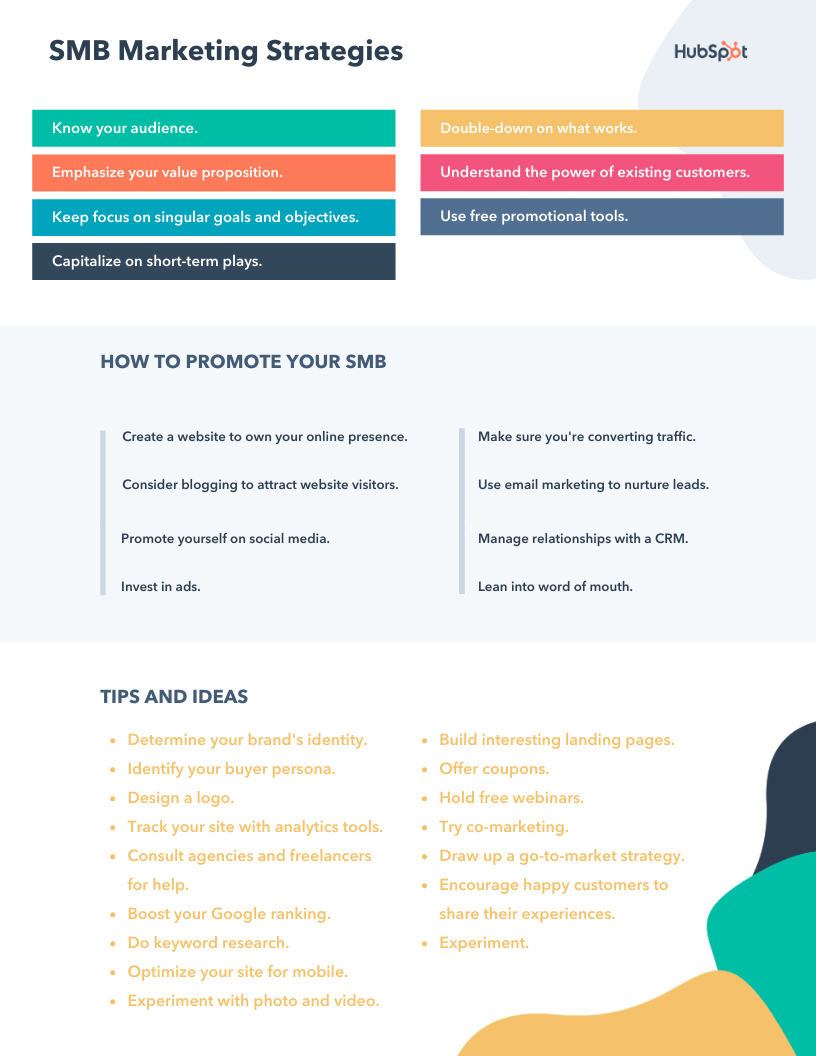
Marketing-Tips and Ideas for Small Business Round-Up Summary

You probably have a long road ahead to build your online presence, but any steps you can make will have a huge impact on your business. Some things like blogging definitely take a few months to start kicking in and sending you traffic, but social media accounts and posts can have immediate effects.

Editor's note: This post was originally published in July 2019 and has been updated for comprehensiveness.


26 Ideas for Your 2020 Small Business Marketing Strategy was originally posted by Local Sign Company Irvine, Ca. https://goo.gl/4NmUQV https://goo.gl/bQ1zHR http://www.pearltrees.com/anaheimsigns

79 Marketing Tools and Software for Every Business & Budget

In the world of marketing, it seems like there are always new tools, tips, tricks, and trends to discover and incorporate into your marketing strategy. How is it possible to keep up with them all?

As a marketer myself, I often wish I had a better sense of all of the tools available to me -- and what sets each of them apart -- so I can make more informed decisions on how to create and optimize content.

Luckily, I have the privilege of working on a team of 150+ other marketers who specialize in different functions than I do. And because of that, I was able to curate this list of the top tools every marketer should know about and use.

The list of recommended tools below is sorted into different sections so you can get a better sense of what tools are available for different functions of the job. 


Above lists the different types of tools for every part of your job. Below is our roundup of the best marketing tools in each category. 


Marketing Tools

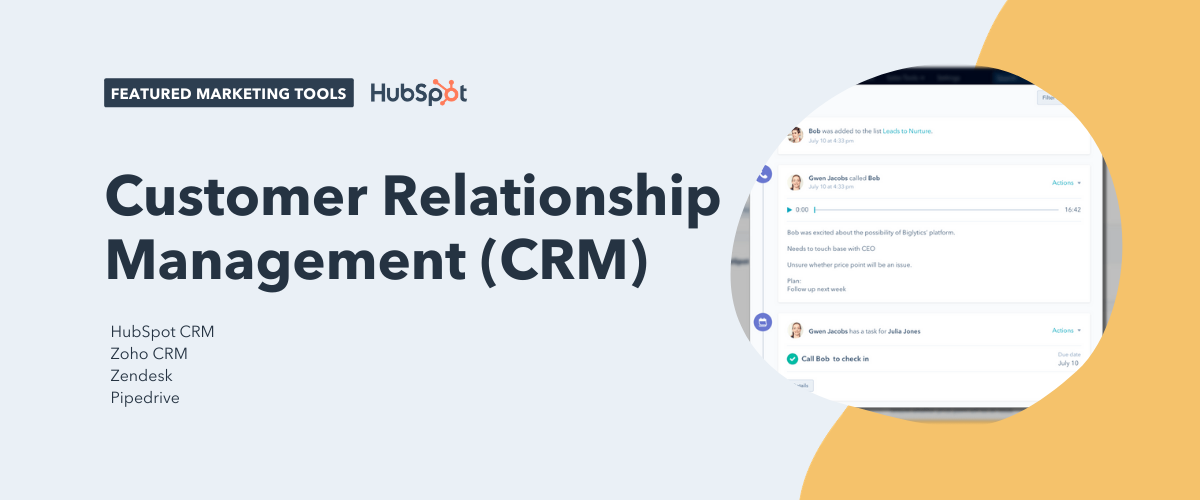
Customer Relationship Management (CRM) Tools
1. HubSpot CRM
2. Zoho CRM
3. Zendesk
4. Pipedrive
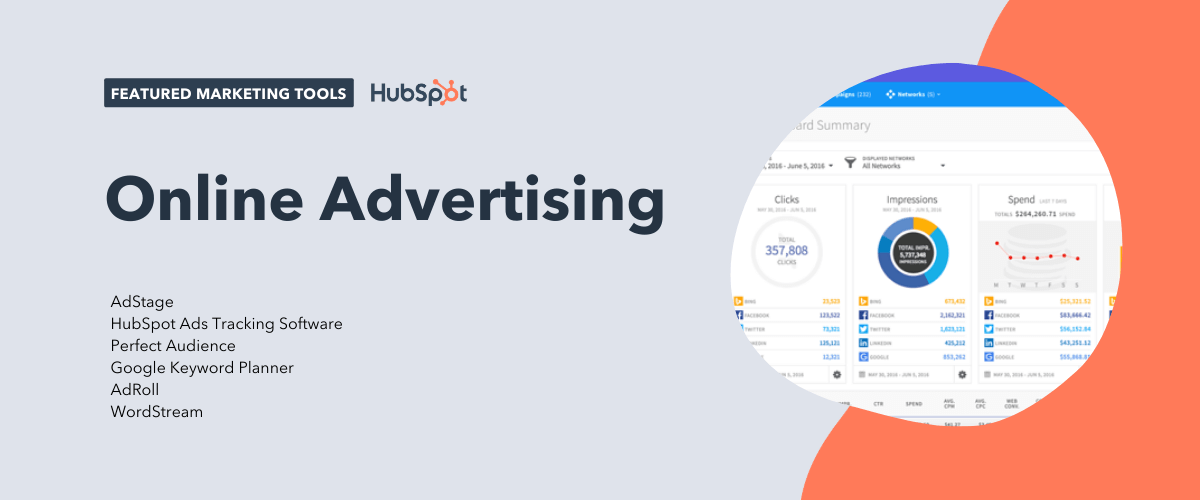
Online Advertising Tools
5. AdStage
6. HubSpot Ads Tracking Software
7. Perfect Audience
8. Google Keyword Planner
9. AdRoll
10. WordStream
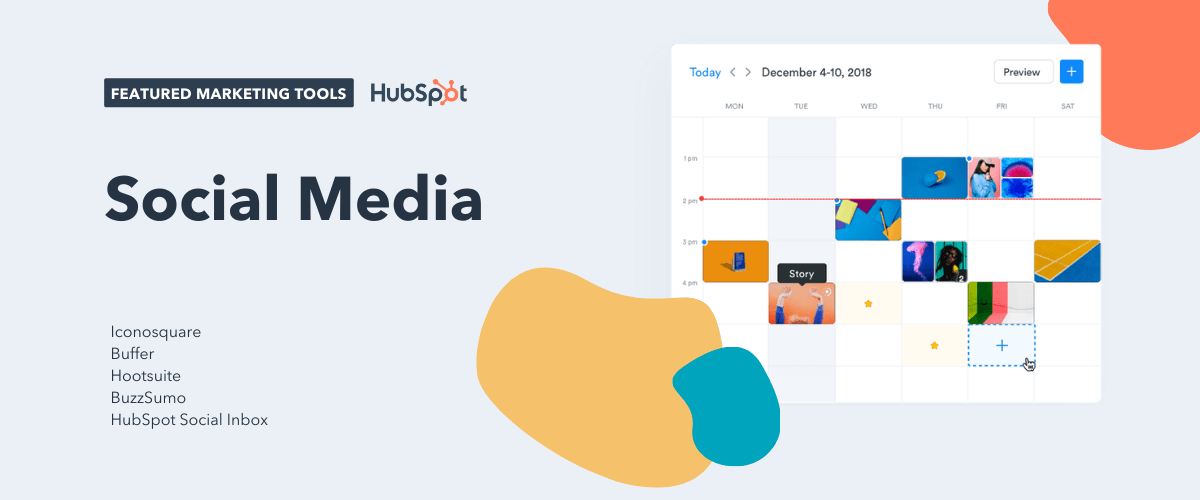
Social Media Tools
11. Iconosquare
12. Buffer
13. Hootsuite
14. BuzzSumo
15. HubSpot Social Inbox
Search Engine Optimization (SEO) Tools
16. Ryte
17. Ahrefs
18. SEMrush
19. Moz
20. Keywords Everywhere Chrome Extension
21. HubSpot Content Strategy Tool
Content Creation and Design Tools
22. Adobe Spark
23. Venngage
24. Piktochart
25. Canva
26. Recordit
27. Kap
28. Adobe Color CC
Video Marketing Tools
29. Wistia
30. Vidyard
31. Vimeo
32. Loom
Event Marketing Tools
33. Eventbrite
34. Facebook Events
35. AddEvent
Lead Capture and Conversion Tools
36. HubSpot's Free Marketing Tools
37. HubSpot's Free Pop-up Forms Tool
38. Typeform
39. OptinMonster
40. Sumo
41. Convertflow
Lead Generation Tools
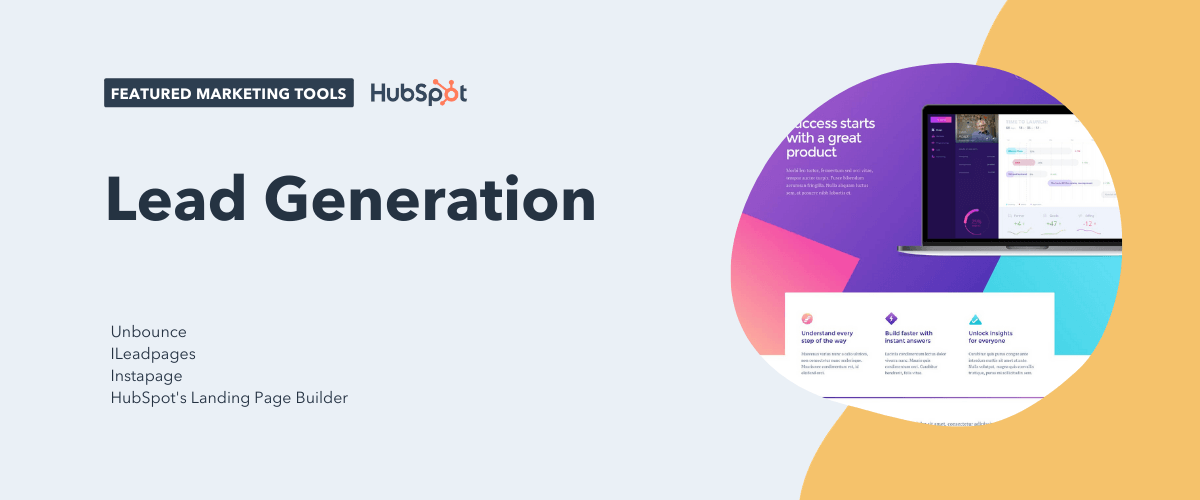
42. Unbounce
43. Leadpages
44. Instapage
45. HubSpot's Landing Page Builder
Website Optimization and CRO Tools
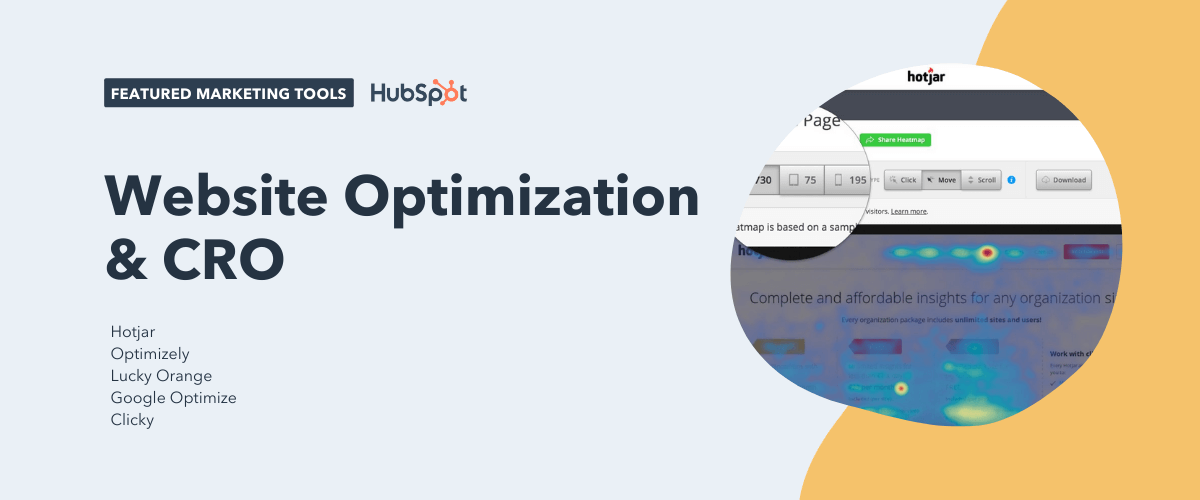
46. Hotjar
47. Optimizely
48. Lucky Orange
49. Google Optimize
50. Clicky
Lead Nurturing and Email Marketing Tools
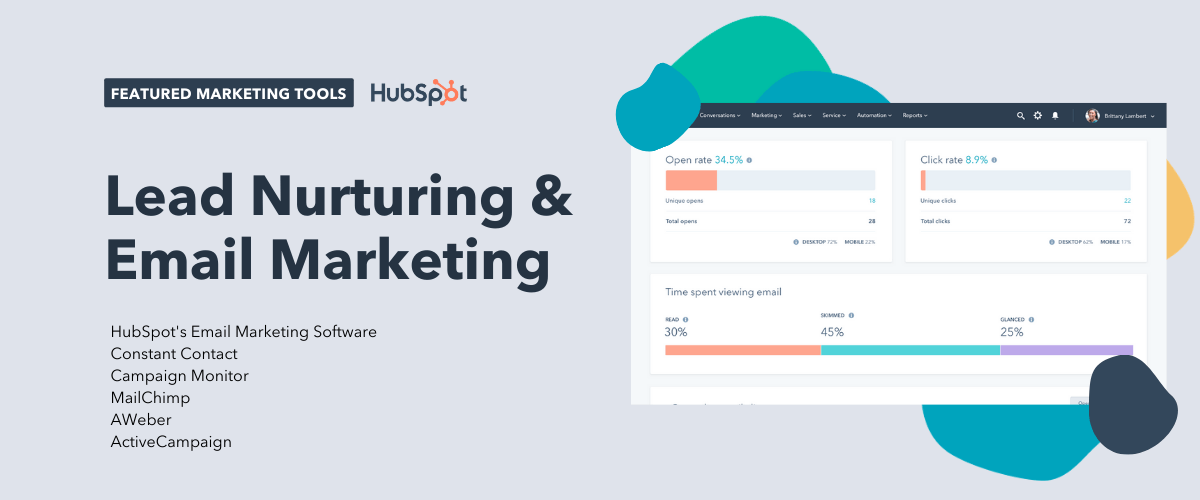
51. HubSpot's Email Marketing Software
52. Constant Contact
53. Campaign Monitor
54. MailChimp
55. AWeber
56. ActiveCampaign
Marketing Automation Tools
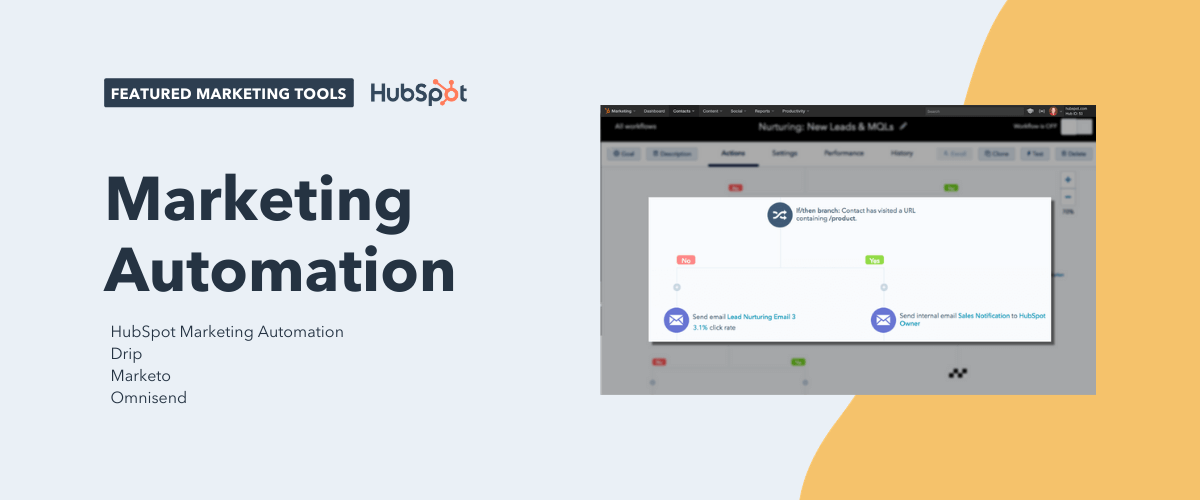
57. HubSpot Marketing Automation
58. Drip
59. Marketo
60. Omnisend
Data Reporting and Analytics Tools
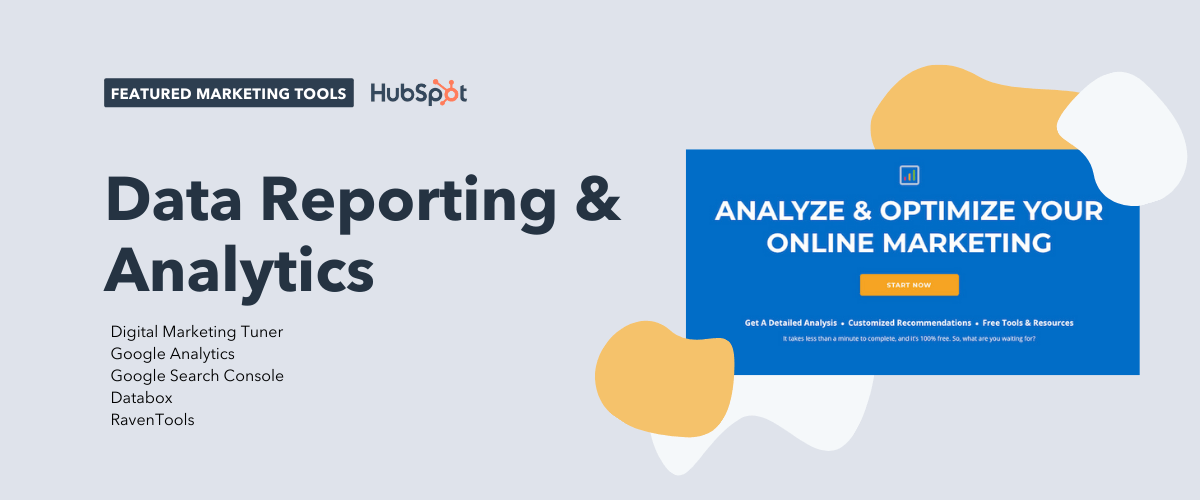
61. Digital Marketing Tuner
62. Google Analytics
63. Google Search Console
64. Databox
65. RavenTools
Digital Asset Management Tools
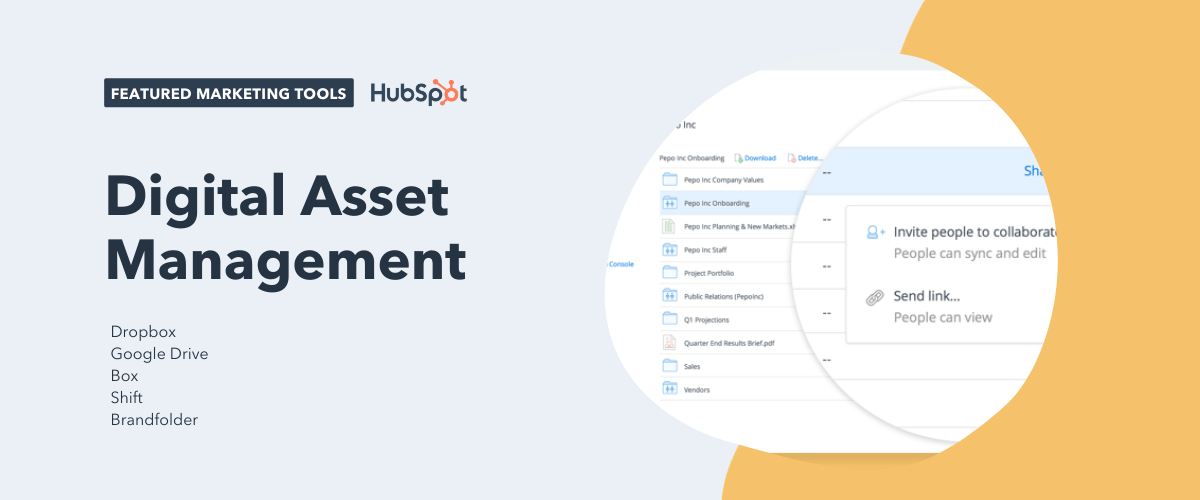
66. Dropbox
67. Google Drive
68. Box
69. Shift
70. Brandfolder
Team Communication and Collaboration Tools
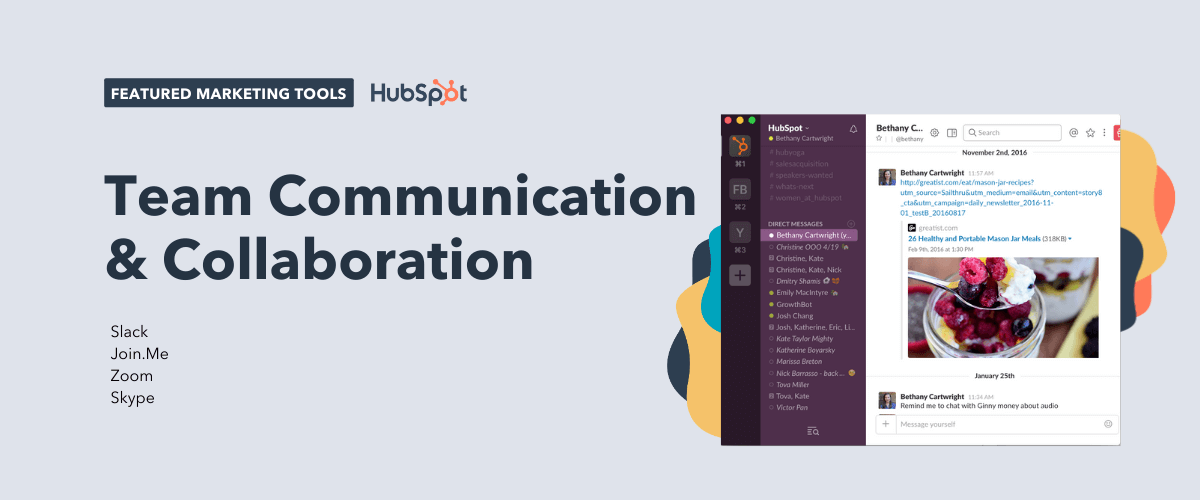
71. Slack
72. Join.Me
73. Zoom
74. Skype
Project Management Tools
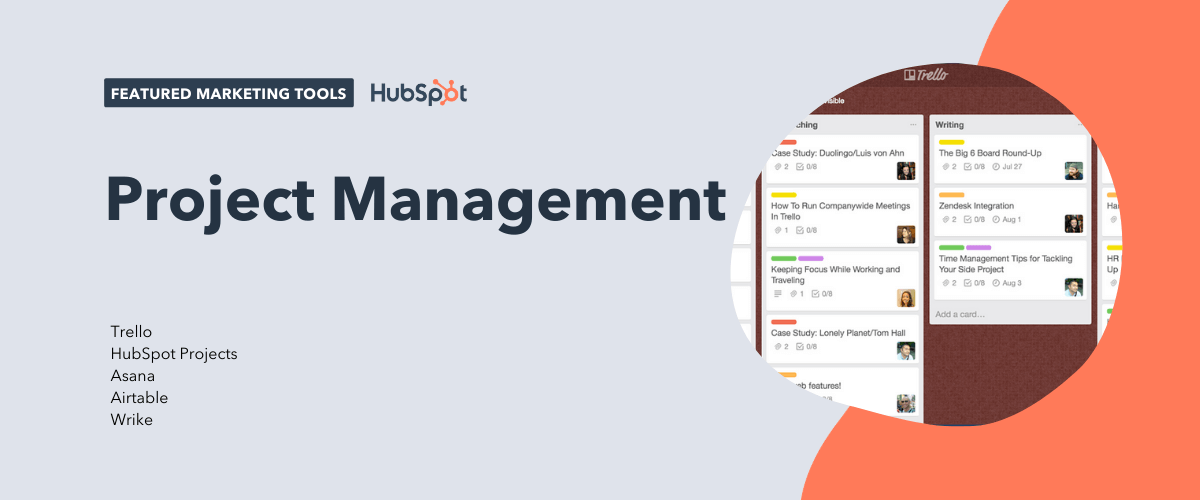
75. Trello
76. HubSpot Projects
77. Asana
78. Airtable
79. Wrike

customer relationship management (crm) tools including HubSpot CRM, Zoho CRM, Zendesk, and Pipedrive

Customer Relationship Management (CRM) Tools

You and your sales team want to sell your product or service -- not fight with messy spreadsheets, cluttered inboxes, or clunky tools that slow you down. That's why using a Customer Relationship Management System -- also known as a CRM -- is essential. Not only will it help your sales team manage relationships, but a CRM will also give you a place to deliver those leads you generated to your sales team.

CRMs are such an essential part of any good marketing and sales team that we think everyone should have one. That's why the HubSpot CRM is completely free.

Featured CRM Tool:

1. HubSpot CRM

HubSpot CRM automates the tasks salespeople hate and takes minutes to learn -- not months. That means doing more deals and less data entry.

Other CRM Tools:

2. Zoho CRM

3. Zendesk

4. Pipedrive

online advertising tools, including adstage, hubspot ads tracking software, perfect audience, google keyword planner, adroll, and wordstream

Online Advertising Tools

If your team is making investments into PPC ad campaigns on platforms like Google, Bing, Facebook, Twitter, or LinkedIn, it's probably a bit of a hassle to manage all the different ad campaigns you're running across each different network. Besides just managing them, you then have to try and report on the results of all of them. What a struggle. Luckily, there's tools for that.

Featured Online Advertising Tool: 

5. AdStage

AdStage takes the hassle out reporting on all of the PPC campaigns you're running and puts it all in one place. AdStage helps you automate, create, and manage your campaigns across all of the major PPC platforms, then allows you to report on your results. With visual features and powerful automation tools, AdStage is a must for PPC experts and newbies alike.

Other Online Advertising Tools:

6. HubSpot Ads Tracking Software

7. Perfect Audience

8. Google Keyword Planner

9. AdRoll

10. WordStream

social media tools, including iconosquare, buffer, hootsuite, buzzsumo, and hubspot social inbox

Social Media Tools

Social media managers know the pain of posting that perfect social media post only to have a follower find a typo a minute later and call you out. For marketers, using a social media tool to schedule all of your posts (so you catch those typos beforehand) is a must. But it also helps to get the right analytics from your social posts, especially on channels where it can be hard to get that information.

Featured Social Media Tool: 

11. Iconosquare

Iconosquare is the perfect tool for marketers to grow their brand on Instagram with easy-to-use analytics. It's not always easy to know what's working and what's not on Instagram. But, as the second most popular social channel and one that's quickly approaching first most popular among some age groups, it's a channel that marketers can't afford to miss out on. Try Iconosquare now to maximize your Instagram analytics and optimize your brand Instagram channel for success.

Other Social Media Tools:

12. Buffer

13. Hootsuite

14. BuzzSumo

15. HubSpot Social Inbox

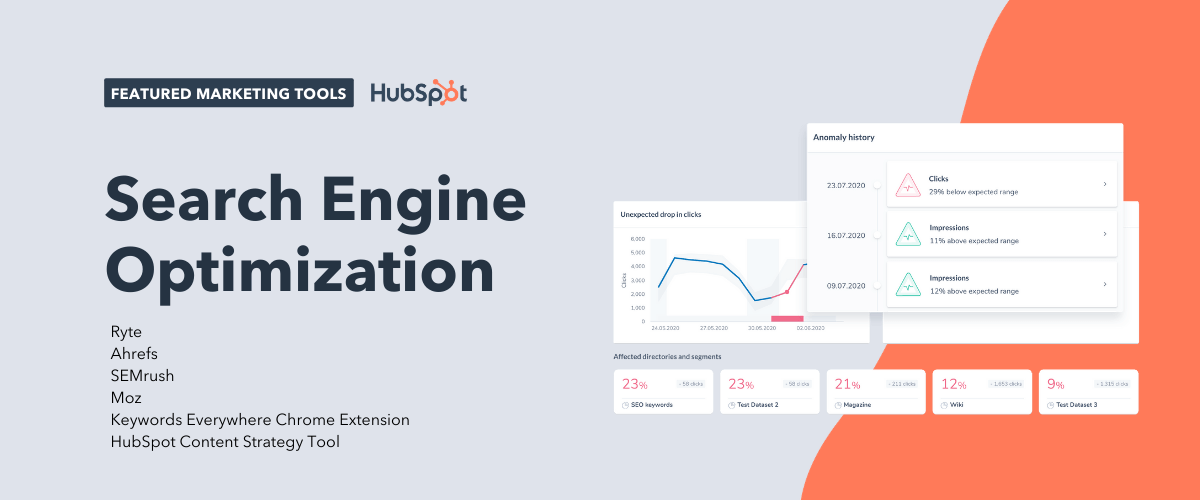
seo tools, including ryte, ahrefs, semrush, moz, keywords everywhere chrome extension, and hubspot content strategy tool

Search Engine Optimization (SEO) Tools

Whether its keyword research, content optimization, or checking your current page rankings, every marketer needs a go-to tool for planning what content to create and how to optimize it for SEO. 

Featured SEO Tool:

16. Ryte

Marketers need tools to plan which keywords to rank for and making sure the content they create actually meets their goal once created. Ryte is the ideal tool marketers can use to make sure their SEO efforts are having a real impact on their marketing strategy.

Other SEO Tools:

17. Ahrefs

18. SEMrush

19. Moz

20. Keywords Everywhere Chrome Extension

21. HubSpot Content Strategy Tool

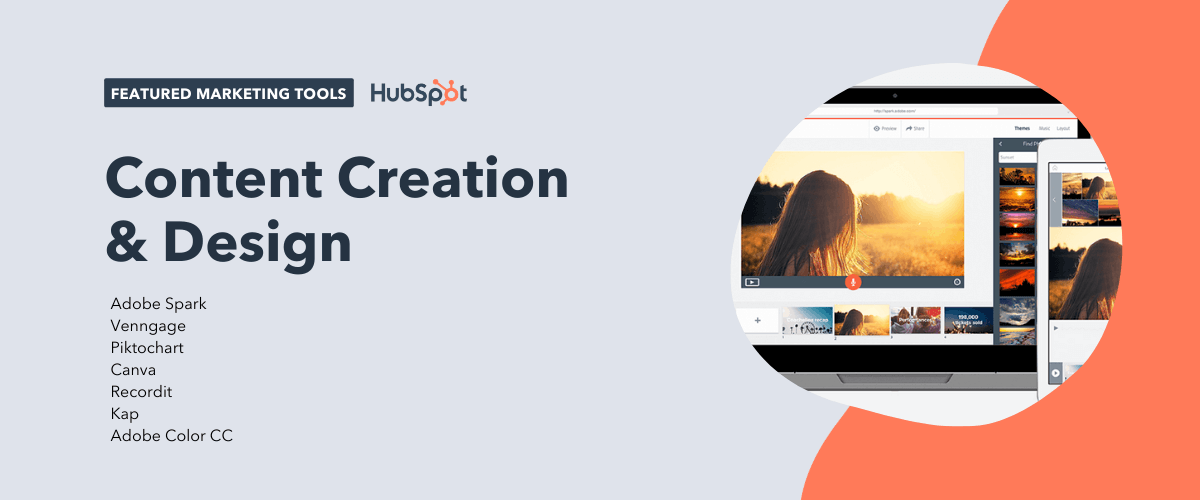
content creation and design tools, including adobe spark, venngage, piktochart, canva, recordit, kap, and adobe color cc

Content Creation and Design Tools

In the world of content creation, there are admittedly tons of different tools you could use to create various types of content. Whether it's social images, logos, blog posts, or ebooks -- the options and tools are endless.

That said, a newcomer among the Adobe Suite of tools is winning the hearts of many marketers, including this one, for its ease of use to create stunning webpages, awesome videos, and eye-catching graphics. The best part? It's completely free and impossibly easy.

Featured Content Creation Resource:

22. Adobe Spark

Adobe Spark is a suite of three web or mobile apps -- Spark Page, Spark Post, and Spark Video -- that allows marketers to easily create graphics, webpages, and videos in a variety of themes in minutes.

You can completely avoid the hassle of page layout, video editing knowledge, or a CMS and start creating content that looks remarkable immediately. For example, we use Spark Page at HubSpot to create some of our online guides and promote them with Spark Videos and Posts. You can too!

Other Content Creation and Design Tools:

23. Venngage

24. Piktochart

25. Canva

26. Recordit

27. Kap

28. Adobe Color CC

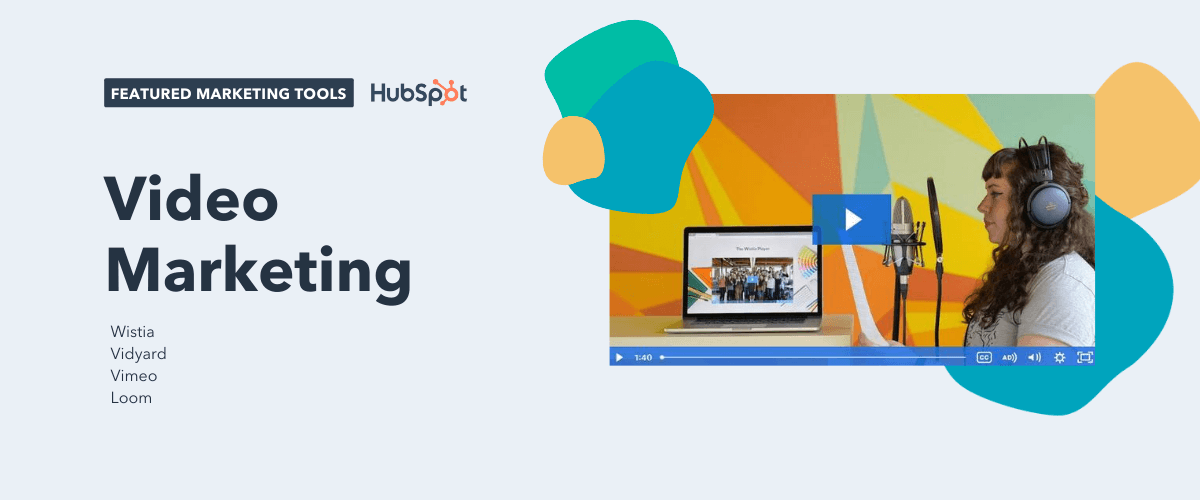
video marketing tools, including wistia, vidyard, vimeo, and loom

Video Marketing Tools

Haven't you heard? Video is the thing everyone is talking about. But how do you actually implement it into your marketing?

Maybe your strategy is just to put a YouTube video embed on one of your blog posts or landing pages. But then what happens? Someone else's ad plays on your landing page before your video even begins. That's bad for your conversion rates, brand, and your user. Luckily, there's a solution.

Featured Video Marketing Resource:

29. Wistia

Wistia is a powerful video hosting platform that allows you to host your videos on your website -- ad free -- with a guaranteed smooth playback and responsive player. Wistia also helps you prove the ROI of your video efforts by offering you video analytics and key metrics to fine-tune your video marketing efforts over time. Ready to take your video marketing to the next level?

Other Video Marketing Tools:

30. Vidyard

31. Vimeo

32. Loom

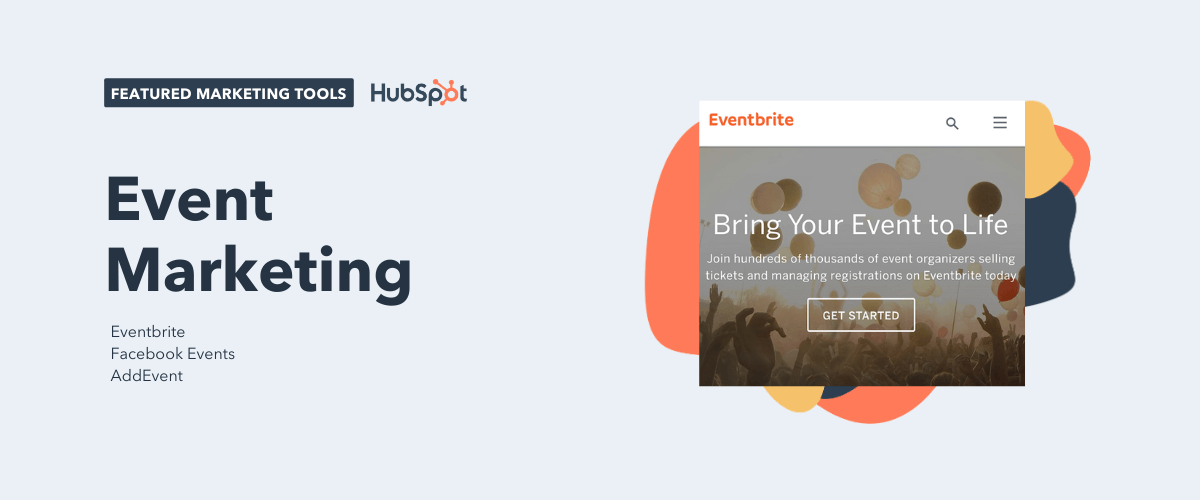
event marketing tools, including eventbrite, facebook events, and addevent

Event Marketing Tools

Whether your team holds monthly customer and prospect events, yearly conferences, or just occasional community outreach parties and events, it's important to have the best event marketing tool up your sleeve when the time comes to use it. After all, in-person events are some of the best ways to interact with potential customers and create a brand experience that prospects, customers, and your community will remember.

Featured Event Marketing Resource:

33. Eventbrite

Eventbrite is an efficient, easy-to-use tool tons of marketers rely on not only to manage the logistics (like ticketing) of events but also to promote their events. Eventbrite lets you create an event landing page and allows you to set up your ticketing and payment for the event all within the same platform. The best part? Eventbrite is always free if you're hosting a free event!

Other Event Marketing Tools:

34. Facebook Events

35. AddEvent

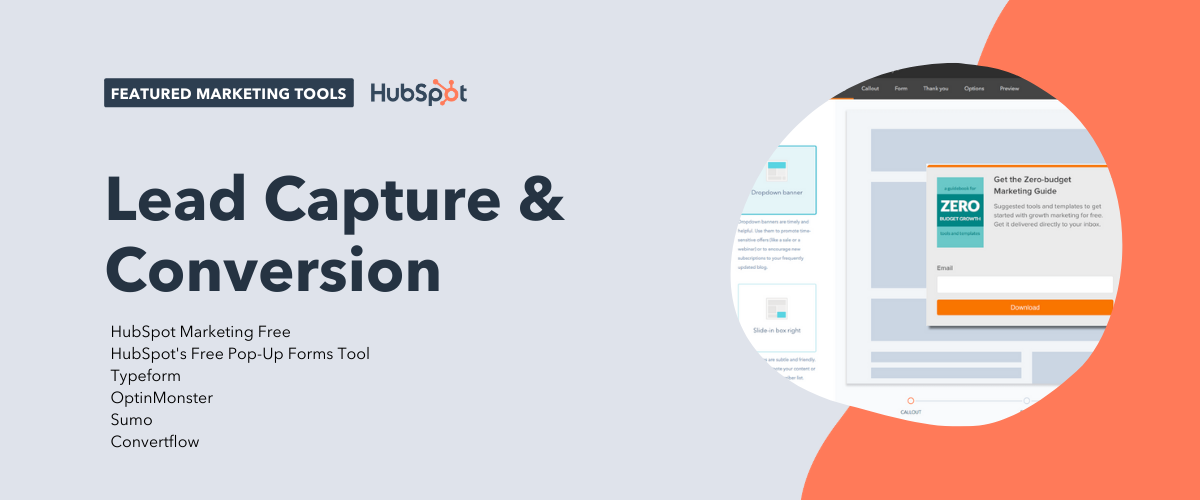
lead capture and conversion tools, including hubspot marketing free, hubspot's free pop-up forms tool, typeform, optinmonster, sumo, convertflow

Lead Capture and Conversion Tools

When it comes to your bottom-line goals, you probably want a few tools for not only attracting prospects to dedicated marketing campaigns, but just as importantly, converting those visitors into leads and customers.

Featured Lead Capture and Conversion Resource:

36. HubSpot's Free Marketing Tools

HubSpot's free marketing tools can help do just that. The moment a lead shares their email, you’ll know who they are, where they work, and what pages they visited -- all in real time. When they view an offer or check your pricing, you’ll be ready to follow up right away.

And with simple but powerful analytics, you’ll learn more about what’s working and what’s not -- like which traffic sources or pieces of content are driving the most conversions. It's a risk-free way to find out what inbound marketing can do for you. No budget necessary.

Other Lead Capture and Conversion Tools:

37. HubSpot's Free Pop-up Forms Tool

38. Typeform

39. OptinMonster

40. Sumo

41. Convertflow

lead generation tools, including unbounce, leadpages, instapage, and hubspot's landing page builder

Lead Generation Tools

If you're in the mood for demand generation, you probably have your eyes on the prize: converting anonymous website visitors into contacts with email addresses that you can successfully nurture. Landing pages are a must for capturing lead information on important offers and opt-ins.

Featured Lead Generation Resource: 

42. Unbounce

Thanks to a drag and drop interface, Unbounce lets you quickly build mobile responsive landing pages without developer assistance. The tool also integrates with a number of different CMS platforms and software.

With Unbounce Convertables, you can also launch targeted overlays on top of any web page, each with a dedicated call to action. Customizable triggers and targeting rules give you control over who sees your offers and when so you can serve the most relevant offers to the right audience.

Other Lead Generation Tools:

43. Leadpages

44. Instapage

45. HubSpot's Landing Page Builder

website optimization and cro tools, including hotjar, optimizely, lucky orange, google optimize, and clicky

Website Optimization and CRO Tools

As marketers, sometimes it feels like we're constantly making educated guesses about how our site visitors are going to interact with our content. While we might design a page to draw our user's eye to a spot on a page, how do we ever really know where their focus is so that we can improve that experience?

Featured CRO Resource:

46. Hotjar

Hotjar is a new and easy way to truly understand what your web and mobile site visitors are looking at when they interact with your site. With its visual heatmap tools, you can understand what users want, care about, and interact with on your site. Hotjar visually represents visitors' clicks, taps and scrolling behavior, giving you the ability to find hot areas for growth and conversion rate optimization.

Other CRO Tools:

47. Optimizely

48. Lucky Orange

49. Google Optimize

50. Clicky

lead nurturing and email marketing tools, including hubspot's email marketing software, constant contact, campaign monitor, mailchimp, aweber, and activecampaign

Lead Nurturing and Email Marketing Tools

It's not enough to drive traffic to your website and then convert them. Many of your website visitors may not be ready to buy, and that's where lead nurturing comes in. Email marketing is a great way to nurture contacts toward a purchasing decision. 

Featured Lead Nurturing Resource: 

51. HubSpot's Email Marketing Software

HubSpot offers robust email marketing software from free to enterprise. You'll be able to create emails in a simple drag-and-drop interface, personalize emails for better experience and performance, and see email activity in your free CRM. HubSpot also offers automation solutions in their paid plans. 

Other Lead Nurturing and Email Marketing Tools:

52. Constant Contact

53. Campaign Monitor

54. MailChimp

55. AWeber

56. ActiveCampaign

marketing automation tools, including hubspot marketing automation, drip, marketo, and omnisend

Marketing Automation Tools

Automation is nothing new to marketers. Whether you want to save time doing marketing tasks or simply cut time wasted doing those daily tasks like saving emails and files to spreadsheets, having a tool that makes your life easier and saves you time is ideal.

Featured Marketing Automation Resource: 

57. HubSpot Marketing Automation

As previously mentioned, HubSpot has a powerful automation tool included in its paid marketing tiers. It doesn't just send drip sequences. You can also use it to trigger specific actions such as updating a contact record or adding a contact to a list when certain criteria is met. 

Other Marketing Automation Tools: 

58. Drip

59. Marketo

60. Omnisend

data reporting and analytics tools, including digital marketing tuner, google analytics, google search console, databox, and raventools

Data Reporting and Analytics Tools

Most tools that automate some of your marketing strategy will also provide reports that allow you to see and present your campaigns' performance to other employees in your company. What if you want a more holistic look at the health of your marketing?

Featured Data Reporting and Analytics Resource: 

61. Digital Marketing Tuner

From the efficiency of your content calendar to the effectiveness of your lead-generation methods, Digital Marketing Tuner offers a helpful overview of all of your latest marketing activities.

Developed by OverGo Studio, an inbound marketing agency and HubSpot Agency Partner, Digital Marketing Tuner guides you through a brief survey where you can submit basic information about your company's content volume, email open rates, website traffic, and more. The tool then sends you a detailed report in which you can better visualize your team's strengths and weaknesses so you can make even better decisions for your company moving forward.

Other Data Reporting and Analytics Tools: 

62. Google Analytics

63. Google Search Console

64. Databox

65. RavenTools

digital asset management tools, including dropbox, google drive, box, shift, and brandfolder

Digital Asset Management Tools

In any marketing team, the inevitable happens: there's a million files and pieces of content between everyone on your team without one place to keep it all. Organization on any team -- let alone a marketing team -- is essential. That's why it's important to have a collaborative organization tool to keep you sane.

Featured Digital Asset Management Tool:

66. Dropbox

Dropbox is the perfect tool to keep your team organized and your files under control. With cloud-based software to keep your files accessible anywhere at anytime, Dropbox helps your team store all of its files in a central location. Dropbox makes it easy to collaborate, too. With tools like Dropbox Paper, which allows you to write and collaborate in real time on the same doc -- and sharing tools for shared folders and files, you'll be organized and ready for any project that comes your way.

Other Digital Asset Management Tools:

67. Google Drive

68. Box

69. Shift

70. Brandfolder

team communication and collaboration tools, including slack, join.me, zoom, and skype

Team Communication and Collaboration Tools

Where would your work day be without accessibility and communication between you and your colleagues? Probably pretty frustrating. Marketers can't shy away from communication when it comes to aligning with team members and across the company, so having the right team communication tools is necessary every single day.

Featured Communication and Collaboration Resource:

71. Slack

I wouldn't be given any slack if I didn't make the world aware of this tool.

Slack is a powerful messaging app that allows you and your teammates to quickly message back and forth without the hassle of email. But it's not just AOL instant messenger 2.0. Slack has powerful features and integrations that make it possible for you to integrate all of your other daily tools -- like Trello, Gmail, Giphy, and so many more -- right where you're already communicating. You can start channels between different teams or just chat with specific colleagues. Slack makes remote and in-person work possible and easier than ever.

Other Communication and Collaboration Tools:

72. Join.Me

73. Zoom

74. Skype

project management tools, including trello, hubspot projects, asana, airtable, and wrike

Project Management Tools

File management and organization is one thing, but how do you manage all of the moving pieces of a marketing campaign or project? There are many different tools you can use for project management, but only one sticks out when it comes to the number of integrations and features at the price of -- oh yeah -- free!

Featured Project Management Resource: 

75. Trello

Trello is a great project management tool for small teams and individuals. With it's Kanban-style setup and fun user interface, Trello lets you set up to-do lists and tag individual cards with due dates, members, labels, and more. You can attach files, links, images, and more to your cards and easily get a full-view of any project that you're working on. At HubSpot, we use Trello daily to manage our team campaigns and individual to-do lists. Want an example of how we do this? Check out our guide to managing marketing campaigns in Trello.

Other Project Management Tools:

76. HubSpot Projects

77. Asana

78. Airtable

79. Wrike

You've got all the tools you need, but are you looking for a place to start putting them all together? Check out our free marketing plan. It'll walk you through creating your own marketing plan and teach you how to use all of these tools together.

Editor's note: This post was originally published in February 2019 and has been updated for comprehensiveness.


79 Marketing Tools and Software for Every Business & Budget was originally posted by Local Sign Company Irvine, Ca. https://goo.gl/4NmUQV https://goo.gl/bQ1zHR http://www.pearltrees.com/anaheimsigns
Wednesday, September 2, 2020

How to Run a Successful Virtual Event [+ Examples]

Nowadays, plenty of business is done virtually.

For instance, you might begin your morning by answering emails and editing a colleague's blog post via Google Doc. Your colleague is working from home today, so you Slack him to let him know when the piece is ready.

In the afternoon, you have a 1:1 via Zoom with your remote manager.

Then, around 4 PM, you log into a company's webinar to learn more about Social Media Marketing in 2020. The webinar has a panel of experts, and you're able to download the recorded webinar later for future reference.

Undoubtedly, online tools and experiences are an integral part of a modern marketer's role.

However, there is one aspect of business that seems, until recently, almost entirely untouched by virtual experience: conferences.

Our historic mindset around conferences is that we board a plane to a conference, bring our business cards, and prepare ourselves for a week of keynote speakers, breakout sessions, and networking events that enable us to spread the word about our own products and services, while collaborating with other marketers who might have useful tools or suggestions of their own.

In 2020, there will likely be a rise of virtual conferences. Here, let's explore the benefits of virtual conferences, take a look at some examples of successful virtual conferences to inspire you, and check out a few tools that can help you plan your own.

But first — let's talk about why virtual conferences can benefit your business in the future.

Virtual Conference Benefits

There are plenty of major benefits to hosting a virtual conference.

For one, it can lower the price of admission, enabling smaller businesses with limited budgets to purchase tickets to your conference and offer their own unique insights.

It also lowers the cost your business would have to pay for conference space, on-hand staff, catering, security, and much more.

Additionally, it allows people from across the globe to interact with each other without needing to spend exorbitant amounts on flights and hotels. Imagine how much easier it is for marketers from India, Ireland, Australia, and the U.S. to collaborate virtually, rather than trying to gather in-person.

It also may help you attract high-demand speakers who don't have the time to commit to an in-person conference, but are happy to share industry takeaways via a quick video call or pre-recorded presentation.

Additionally, an online conference enables you to create a product — recordings from your conference — that you can continue to share and use as a lead generation tool for months and years after the initial live launch.

And, finally, there's the obvious: sometimes unforeseen circumstances can make in-person conferences in certain locations simply impossible.

Emily Raleigh, HubSpot's Marketing Manager of Brand and Strategic Partnerships, provides some advice if you suddenly find yourself shifting your in-person event to a virtual one: "If you are shifting from a live event, try to add extra value to the viewers who are now tuning in online. Do an extra session. Offer more Q&A time. Give an extra special offer. Find creative ways to add extra delight moments."

Additionally, Raleigh mentions, "Virtual events can easily lose one of the best benefits of live events: human connection. To mitigate that, keep the event engaging and get the audience involved."

Now that we've explored a few benefits, let's dive into tools that can help you create your own virtual conference.

Virtual Conferencing Tools

1. Hopin

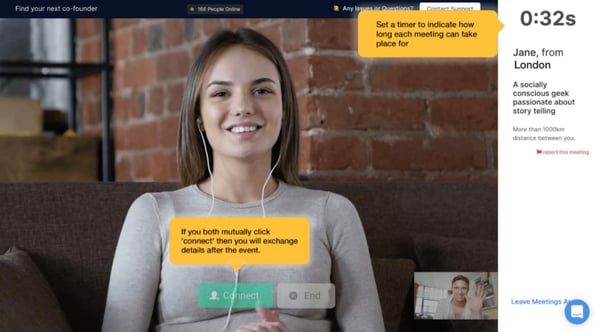
Hopin is an all-in-one platform for planning online conferences, offering everything from a virtual reception to breakout sessions, a mainstage, and networking events.

The networking tool is particularly helpful, with a timer you can set for each attendee to mingle with another for just a couple minutes before moving onto the next conversation (and, if the conversation goes exceptionally well, they can click "Connect" to receive contact information of the other attendee to follow-up later).

Your event can include both webinars and live-streams, and a Live Chat function enables attendees to ask questions in real-time. Additionally, attendees can use virtual booths to promote their products or services, and offer discounts as well.

Hopin virtual event platform

Image Source

2. Whova

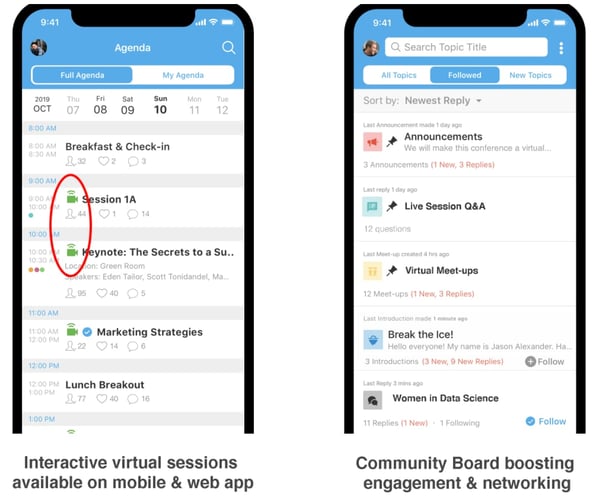
The Whova Event App has been a leader in attendee engagement and networking since 2014. For four years in a row, Whova has received both the Best Event App award and the People's Choice Award from the Event Technology Awards.

Event organizers can use Whova to help make online events highly interactive, fun, and productive before, during, and after the event. The tool directly integrates with live streaming and video hosting tools such as Zoom, Google Hangout, YouTube, Vimeo, etc. It also provides live Q&A, attendee networking, a discussion board, meeting-matches, a virtual exhibitor hall, and even virtual meet-ups.

Many organizers provide access to the Whova app prior to their events to let attendees virtually socialize and discuss various topics, one-on-one or in virtual groups, making everyone feel more connected by the time the event comes around. Every attendee has a professional profile, allowing them to find others with whom they have common interests. The ice breaker and in-app chat, in particular, make it fun for strangers to get to know one another on a personal level and communicate with both new and old friends.

Whova virtual conference platform

Image Source

3. Run The World

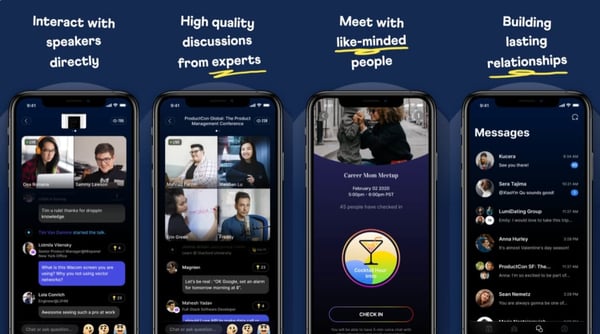
Run The World is an all-in-one online conference platform with tools for livestream talks, discussions, and panels — additionally, Run The World ensures the social aspect of your virtual event is not lost, with a virtual "cocktail party" option, and an algorithm that matches attendees with other like-minded individuals based on questionnaires they fill out prior to the event.

Run The World is accessible to a variety of small and large organizations, including non-profits, startup and enterprise businesses, and individual experts who'd like to host online workshops or bootcamps.

Run the world virtual conference platform

Image Source

Alternatively, if you don't have the budget for a virtual conferencing tool or simply don't need much more than a simple video and mic, you might consider video call tools like Zoom, Google Hangouts, or ezTalks.

Examples of Virtual Conferences

1. Game Developers Conference

The 2020 Game Developers Conference (GDC) switched its in-person conferences to streaming recorded versions on the GDC Twitch channel. The conference will still have ceremonies for The Independent Games Festival (IGF) and Game Developers Choice Awards (GDCA), and will stream session content starting 9 AM PT daily, March 16-20.

The GDC has a well-organized itinerary posted on their website, with breakout sessions led by influencers and experts in the Gaming industry.

Additionally, you're able to pause Live sessions if you're interested in watching at a later time, and the GDC has included "Recommended Channels" with headcounts on the left side of the screen. With some sessions evoking over 30,000 viewers, it's safe to say the GDC has successfully launched a virtual version of their initially in-person event.

2. HubSpot's Partner Day

On April 7-8, 2020, HubSpot launched its own virtual Partner Day. The Partner team used Zoom, a popular video conferencing tool, and sent each presenter a "video kit" with a mic, camera, lighting, and backdrop, so that participants could experience an optimal viewing experience from each of the day's virtual speakers. Additionally, attendees used Zoom to network with other partners.

I spoke with Arden Brust, a Manager on HubSpot's Partner Marketing team, to learn about some challenges you might experience when planning a virtual experience of your own.

Brust told me: "When planning an online event, it's critical you remain flexible and open-minded. With a virtual event, you run the risk of technology issues, as well as scheduling issues you might not have considered if you had everyone in-person (including timezone issues). To combat this, continue to iterate with your team and plan on pivoting — don't get too attached to plan A that you don't consider how plan B might work out better."

3. How I Built This, by Women In Product

With the help of the Run The World virtual conferencing tool, the non-profit organization Women In Product launched an entirely virtual event March 7-8, 2020. The Women In Product conference included participants from China, India, Canada, and Silicon Valley.

The conference featured 10 speakers who've built successful products — including the Director of Product at GoDaddy, a PayPal Product Lead, and a Senior Product Manager at Ebay. The virtual event included fireside chats, keynote speakers, and networking events that enabled women to hear about the challenges and successes of product launches in different markets.

4. Webinar Mastery Summit

Jon Schumacher had hosted webinars online for a while with minimal results when he launched the Webinar Mastery Summit, a virtual conference for people who wanted to advance their webinar skills.

His first virtual summit featured 25 experts, and generated 7,000 new email subscribers and over $55,000 in revenue with his All-Access Pass sales. With All-Access, his participants receive lifetime access to 17 expert video sessions, full MP3 recordings of all sessions, three months of course creation software, and access to a private community for additional networking.

Ultimately, with virtual conferences, you're able to create recorded packaged content for future lead generation and sales even after the initial live launch — something in-person conferences, for all its networking benefits, is unable to do.

5. HubSpot User Groups (HUGs)

Meghann Keogh, a HubSpot Marketing Manager in charge of HubSpot User Groups and Events, has experienced circumstances in which she found it necessary to cancel in-person events and create virtual ones, instead. Keogh told me she's hosted virtual HUGs events for San Francisco, NYC, Berlin, London, Helsinki, Paris, Bogota & Mexico City.

Additionally, she's created virtual fireside chats, including an upcoming one with CEO & Co-Founder Brian Halligan & Christian Kinnear, VP of Sales & Managing Director EMEA.

When asked how to run a successful virtual event, Keogh told me — "Whether in-person or virtually, people are hungry to connect. The feedback we have received so far has been extremely positive. It's not just cities that are connecting, it's countries."

"What's made our virtual events a success so far? Our amazing speakers who inspire, educate, and innovate our HUG communities."

Keogh adds, "We're committed to bringing relevant content to our HUGs, whether that's in-person or virtually. We want to make sure our communities still have that chance to engage with one another, and we’re devoted to making that happen."


How to Run a Successful Virtual Event [+ Examples] was originally posted by Local Sign Company Irvine, Ca. https://goo.gl/4NmUQV https://goo.gl/bQ1zHR http://www.pearltrees.com/anaheimsigns
How to Promote a Virtual Event, According to HubSpot Marketers

In 2020, as brands adapt to remote work, they're also learning how to shift their in-person events to online-only programming.

When you surf the web on any given day, odds are you'll see at least one social media post, email, video, or stream that promotes or covers an online event.

And, although some brands might be temporarily shifting their event tactics, this new adjustment has allowed companies to identify some of the great perks to online events. For example, unlike physical events, virtual events, such as live streams or webinars, enable your brand to gain awareness from international audiences, period.

At this point, it seems like online events aren't going away anytime soon. But, with the popularity and necessity of online events in 2020, the landscape has become quite competitive. For any given event, there are a handful of competing webinars, live streams, or Q&As that discuss similar topics.

If you're one of the many brands switching your in-person events to a virtual, how do you promote them to keep attendance up? And, in a sea of virtual events now being promoted all at once, how do you stand out?

HubSpotters Tell All: How to Promote Your Virtual Event

To answer those questions, I spoke with a handful of HubSpot marketers who have experience in these tactics. Here are their five go-to tips.

1. Be clear about what the audience will see.

Setting expectations about what your in-person event will entail is always an important promotion tactic, but it becomes especially important when you're promoting a virtual event.

"Set expectations! Not all virtual events look the same and your audience likely wants more details on what they will get," says Juliana Nicholson, the program manager of HubSpot User Groups.

"Will the audience be able to ask live questions? Is their camera going to be on? Is this event tactical or more high-level?" Nicholson asks. "Set the stage to make sure the right people are registering for your event, and then feeling satisfied with the experience they have when they show up."

Aside from explaining what will happen at your event, Clara Landecy, an associate marketing manager in our Dublin office, notes that you should also send emails or messages to remind registrants of why they signed up for it in the first place.

"Have a strong purpose or "why" to the event," Landecy says. "Leverage the 'why' in reminder emails about the event to remind people why they signed up in the first place."

Reminding registrants why the event might be valuable to them will refresh their memory about it and increase the likelihood of them showing up to it.

2. Leverage co-branded opportunities.

Co-branding, also known as co-marketing, is another common and effective marketing tactic that also works well for virtual events. The strategy involves partnering with another brand or sponsor to create the event and jointly informing your audience about when and where they can attend.

"I'm a big believer in co-branded webinars," says Emily Raleigh, Senior Marketing Manager of Brand & Strategic Partnerships. "We’ve seen major success in promoting live and virtual events with a three-pronged partnership approach: a brand partner, a community partner, and HubSpot for Startups."

With this three-pronged approach, Raleigh says, "the brand partner adds credibility and can help us get some great speakers for the event. The community partner helps drive attendees because they have deep connections in the specific ecosystem we are targeting and our end-user trusts them, so if they say an event is worth their time, they are very likely to go."

Another marketer who echoed this sentiment was Henni Roini, an EMEA marketing manager.

“If you have speakers from other organizations, make sure to ask the thought leader or brand to promote the event — or their session — on their channels," Roini says.

Aside from asking brands affiliated with your event to market it on their channels, you can also incentivize event marketing through a lead-share agreement. A lead-share is when you allow a brand you co-market with to get the same list of leads you've gained from a co-branded event or campaign.

"A lead share will motivate your event partner to drive registrations. This will not only increase sign-ups, but you’ll likely be left with a lot more net new contacts,” says Roini.

3. Enable speakers and employees to promote your event.

Aside from working with other brands to promote your brand, don't forget all of the individuals who can help too. These people could include speakers, those in your network, and your company's employees. The more people post about an event, the greater the word of mouth marketing will be.

While you can simply ask your employees, colleagues, and speakers to share a link to the event signup page, it helps to go a few steps further and send them assets such as images, videos, tracking URLs, and coverage of the event to encourage a variety of different promotions and enable them to share it quickly.

"Whoever the speakers are, internal or external, offer them assets that they can use to promote their session. This will make them way more likely to go ahead with the promotion," says Roini.

Aside from providing assets to your team and speakers, you can also create incentives, such as contests, which reward individuals for solid event promotion.

“If you’re able to create a buzz around the event or incentivize employees to promote the event, it’s a win-win for everyone," Roini shares. "If you really want to invest in employee advocacy, there’s a ton of great software to automate the process.”

4. Segment event invitations for different audiences.

While a marketing executive might want to attend your event for one reason, a new hire at a company might be attending the event for another reason. If your event will touch on a number of broad topics, consider segmenting your marketing tactics by different groups and demographics.

One area where audience segmentation could be easy and effective is email marketing.

“If you’re planning on doing an email promotion, ask yourself, 'Is the value proposition the same for the whole list?' if not, you could segment and personalize the emails to better highlight the value this event is bringing to different groups of people,” Roini advises.

5. Track your promotional tactics.

Whenever you need to use time or resources to promote an event, you'll want to track the results of your marketing tactics.

Why? If one time-consuming promotional tactic falls flat, while another simple strategy yields signups, you can embrace the stronger strategy to promote upcoming events.

To learn which tactics work best, Roini suggests using a number of tracking URLs to isolate where signups or event-related traffic came from.

“When you ask employees, sales, event partners, or anyone else to promote the event, ask them to use UTM links or otherwise make sure that you’re able to track the registrations. This will help you to determine where you should put your efforts the next time,” Roini explains.

Creating a Marketable Virtual Event

Promoting an online event is similar to marketing a physical event. However, there are a number of key differences. While you might be able to promote an online event to a broader audience than a physical event, you'll need to remember that the online event landscape is competitive.

Even if your event is helpful and informative, there might still be a dozen similar events that offer similar content.

Additionally, while the goal of promoting a physical event is to get audiences to buy a ticket, the goals of most online events involve getting people to sign up for the event, reminding them to tune in, and getting them to follow calls to action — such as purchasing a product — after the event.

Since many online events are affordable or free, getting someone to sign up and watch the event without being locked in to a ticket purchase might take more time and effort.

Ultimately, the goal of promoting an online event is to highlight and remind audiences of the whos, whats, hows, and whys behind it. Noting these factors in your marketing will not only show audiences how and why it will value them, but it will also separate your event from those that might be similar.

Even in the event's planning stage, thinking about how you will promote it could help you create a marketable virtual experience worth attending.

For example, if you choose well-known thought leaders to host an event, that will boost your promotional results and the success of your event. Or, if you take on a co-branded event, the content will be marketed to two audiences — rather than just your own.

For more tips on coordinating and planning a virtual event that people will actually want to attend, check out this helpful blog post.

Editor's note: This post was originally published in June 2020 and has been updated for comprehensiveness.


How to Promote a Virtual Event, According to HubSpot Marketers was originally posted by Local Sign Company Irvine, Ca. https://goo.gl/4NmUQV https://goo.gl/bQ1zHR http://www.pearltrees.com/anaheimsigns
Where and How Often Do Consumers Watch Live Video? [New Data]

By 2027, the live video market is expected to surpass $184 billion. And brands are taking notice.

By the end of 2018, marketers were using live video as part of their social media strategy. Since then, this number has likely grown as brands continue to use a number of online platforms to stream virtual events, Q&As, and other content that their audiences will value.

Although brands are jumping on the live video bandwagon, you might still wonder if live video is really worth investing in. After all, creating any video costs your company time and money. Additionally, measuring the ROI of a live video can be tricky.

Before you decide to implement live video planning and production into your strategy, you'll need to learn more about this content's consumers, how often they watch this content, and which platforms they primarily use to stream it.

Learning about your prospective audience's live video behaviors will allow you to consider a strategy that offers them valuable content while meeting them on the platforms they're already on.

To give you insight on how often and where general internet users watch live video, I conducted a survey of more than 400 people using Lucid software. In the survey, I asked two questions: "How often do you watch live videos?" and "Where do you watch live video most often?"

How Often Consumers Watch Live

When I asked consumers how often they were watching live video, I didn't expect a large percentage to say they were consuming it more than once or twice weekly. As a marketer and social media user, I was expecting that only a few people would regularly stop everything and devote time to watching streams on fast-paced online platforms.

However, when I looked at the results, I was surprised by how frequently consumers were actually watching live videos.

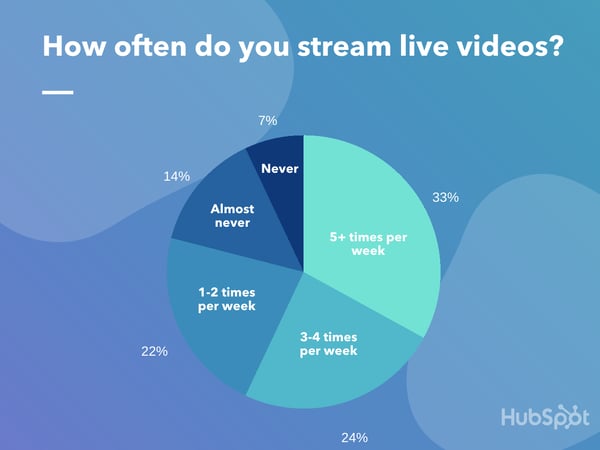
According to the data, 57% of those surveyed watch live video at least three times per week, while only seven percent said they never watch live video.

how often consumers watch live video

Data Source

While the result above is fascinating to think about, you should keep in mind that this is just a survey of one small group of consumers rather than a representation of the global internet user population. Additionally, just because our pool of consumers regularly watches live content, this doesn't necessarily mean they're watching branded content.

Although you should take this result with a grain of salt, the data above, combined with mounting research that shows how live video is growing, signifies that this format might be more than just a trend. .

Although you should consider your budget, audience, and the time involved in a live video strategy before your create or plan content, this result indicates that you might want to keep this tactic on your radar.

Where Consumers Watch Live Video

Now that you know live video is capable of generating solid viewership, you might be wondering where the best place to stream your first video actually is.

You'll want to pick a platform with a high user base, but you'll also want to make sure that the site you choose has an audience that aligns with the audience you want to engage with..

When you start by picking the best platform for your brand and audience, you can learn what it takes to be engaging on this site, and adapt your content from there.

But, simply choosing a platform can be easier said than done.

At the moment, almost all of the top social media platforms — including Facebook, YouTube, Instagram, Twitter, LinkedIn, Reddit, and now even TikTok — have live streaming features. Additionally, emerging platforms like Twitch.tv have gained notoriety for primarily hosting live content.

To help you identify a few platforms worth looking into, I asked the same Lucid participants. "Where do you watch live videos most often?"

While the results about how often consumers watched live video surprised me, I wasn't as shocked when I discovered where they were watching their content.

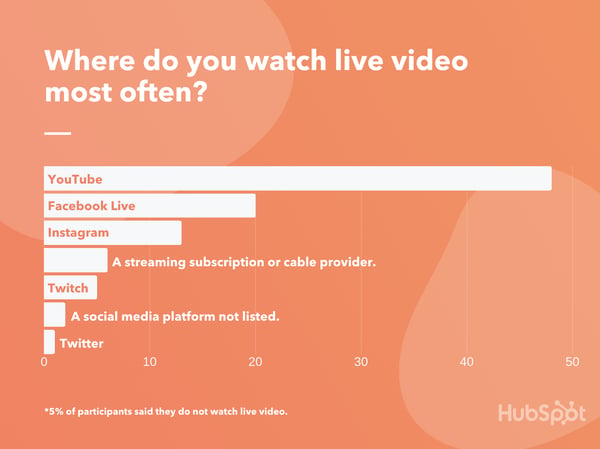
The platforms with the biggest audiences, and the most mature live streaming tools, took the lead. These platforms were YouTube (48%), Facebook (20%), and Instagram (13%).

most popular live video platforms

Data Source

One thing that did surprise me was that fewer people were viewing live videos on Twitter. Although the platform isn't primarily known for live streaming, Twitter's company was one of the first to invest in it with the 2015 acquisition of Periscope.

Although some platforms were less popular than others in this poll, you shouldn't necessarily rule them out. For example, if your most engaged audience is already on Twitter, or your followers love your B2B content on LinkedIn, you could consider testing those platforms first since you might already have a great sense of what those audiences will engage with.

Or, if you're selling a B2C product, you might want to focus on the bigger, broader networks like Facebook or YouTube since they have a large range of audience demographics.

As you plan your next live video event, here's a look at what other brands are doing on popular live video platforms.

The Top 3 Platforms Consumers Use to Stream Live Video

1. YouTube

As the world's second-largest search engine, YouTube's more than 2 billion-person user base is incredibly broad. This means that almost anyone will log on to YouTube and search its content for a number of different reasons.

Aside from being one of the oldest and biggest online platforms out there, YouTube's also offered a live stream feature, called YouTube Live, since 2011.

YouTube Live allows users to broadcast live content to viewers. With this live video feature, you can share unfiltered moments, as well as allow the audience to participate with real-time comments and reactions. Live videos on YouTube are recorded, appear on profiles and feeds like any other video upload, and can be watched even after the stream has ended.

Below is a great example of a live video launched by Adobe as part of its Sketch Party series. During each Sketch Party stream, Adobe films a graphic designer sketching or designing something with Creative Cloud software, such as Adobe Illustrator. While the artist is sketching something visibly on screen, they read comments and answer questions from viewers.


This stream allows Adobe to engage with audiences, highlight the raw talent of graphic artists, and show off how its software works at the same time.

2. Facebook

Today, more than one-quarter of videos uploaded to Facebook are live. This, plus the fact that one in five of the consumers we polled watch videos on Facebook Live most often, show that this platform might be incredibly useful for live video strategies.

Like YouTube, Facebook has the benefit of having a giant global audience that represents different ages, interests, and cultural backgrounds. While this broad audience has allowed B2B and B2C brands to effectively grow audiences on the platform, many companies have also developed successful Facebook Live tactics, too.

In the branded Facebook Live example below, a clothing store called By Alexa Rae Boutique highlights some of the clothing products that can be purchased from the store's website.

The video is formatted like a show you'd see on the Home Shopping Network as the host shows each clothing item to the camera, explains the perks of each, and notes when items are close to sold out to encourage urgency

3. Instagram

According to our survey above, 13% of people say they watch live video on Instagram most often, making it the third most popular live platform among the group we surveyed.

Instagram has been rising in popularity for years, especially to millennial and Gen Z audiences. The success of the overall app is due in part to Stories, live video, and IGTV.

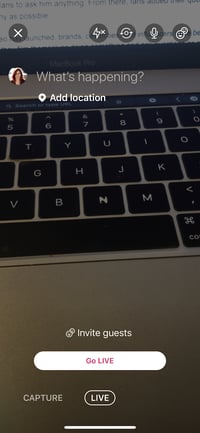
Instagram's Live feature allows you to film streams that show up in your following's Stories feed for 24 hours before disappearing.

Stories navigation bar on Instagram mobile app

These videos are often filmed vertically, but have similar features as YouTube Live. For instance, those recording live video are able to see and respond to questions from viewers.

Before putting time and effort into creating an Instagram Live video, it's important to keep a few things in mind.

First of all, although Instagram will show followers that you're live through the Stories feed and via app notifications, the live symbol — as shown above — can be very subtle and easy to miss. This is unlike Facebook, which might prioritize a live video on your followers' News Feeds.

Another thing to note is that your content will disappear within 24 hours. However, you can send your pre-recorded streams to the IGTV tab of your profile when you're done with them. Although these videos would no longer be live, presenting them on IGTV might get them more additional views after they've aired.

Non-verified users can post a video between 10 seconds and 15 minutes to IGTV, while users who are verified or have more than 10,000 followers can publish videos or streams up to one hour long to this tab.

At this point, a number of brands have already gone live on Instagram and later added this content to their IGTV tab. Below is just one example of a live post that was later shared on IGTV. In the video, a representative from Providence, R.I.-based Bolt Coffee walks viewers through how to brew iced coffee with the brand's products:

Other Platforms for Live Video Streaming

Twitter

While Twitter allows you to connect with friends on its social network, many use the platform to follow news, trends, and topical discussions. This is why a large portion of the live videos you'll see include news coverage, video of current events, or someone discussing a hot trend.

Despite much of the live video being dedicated to news or trends, some brands have experimented with streaming content on Twitter. One example of a brand that's done this is Coinbase — a platform for storing and selling cryptocurrency. In a recent live stream, Coinbas's CEO did an AMA — or Ask Me Anything — session where he answered questions submitted live by users.

I did a live AMA yesterday answering people's questions on Twitter/YouTube https://t.co/Ifq7naVlA6

Let me know what you think. Maybe next time can add someone else from the Coinbase team, make it more conversational. Or just walk around the office and chat with folks!

— Brian Armstrong (@brian_armstrong) April 4, 2019

Although Twitter owns Periscope, a live video streaming app, you can go live directly through the Twitter app. To do this, tap the "Compose" button, then tap the "Upload" icon which looks like a camera. Once you're in camera mode, you can toggle from "Capture" to "Live" mode.

how to go live on twtter app

If you want to add a second video box where other Twitter users can stream with you at the same time, tap the symbol with two smiley faces in the upper right hand corner to invite guests.

Before you go live on Twitter, you should keep in mind that the platform doesn't center around live video. While it algorithmically might show your content in a followers' feed, Twitter does not have a specific home for past-recorded live videos like Facebook Live or YouTube Live does. This means that to see your video after it's streamed, users will have to go to your profile or search for it.

You should also note whether one of the other platforms above might be better suited for your audience targets. While Twitter does have a large audience, consumers — such as those who took our survey — might think of Twitter as more of a general social media network rather than a live video platform.

Reddit

While Reddit was later to the game by launching live video in 2019, brands have still leveraged it quite a bit to engage with the platform's niche communities, or subreddits.

One way brands have leveraged live streaming is by hosting live AMAs with celebrities, company leaders, or thought leaders. The AMA format originally started as text-based discussion threads in subreddits. For example, to promote Microsoft and his non-profit organizations, Bill Gates has published a number of threads in technology-related subreddits that asked his fans to ask him anything. From there, fans added their questions and he tried to answer as many as possible.

Since live video launched on Reddit, brands have re-formatted traditional AMAs into video streams. For example, Audi recently posted a series of live streams called "Think Faster." In each live stream, celebrities sped around in one of Audi's newest cars while answering Redditor questions. Here's a screenshot from one of the events which featured actress, Olivia Munn.

Reddit branded live AMA stream

Twitch.tv

Twitch is one of the newest platforms on this list. However, the live-streaming site has notably gone viral as video gamers have been using it to stream their sessions.

But Twitch isn't just for gamers anymore. At this point, a number of marketers and brands have identified ways to leverage the platform.

One major brand that won a Clio for its Twitch-based campaign was the fast-food chain, Wendy's. In 2019, a mission set in the popular video game Fortnite, told players to harvest beef and place it in freezers of nearby restaurants to collect coins.

Because Wendy's claims to sell, "Fresh, Never Frozen Beef," its marketing team decided to launch a nine-hour Twitch stream where a Fortnite avatar dressed like Wendy ran around the video game attempting to destroy freezers. As a Fortnite player, you could join Wendy and help her smash the appliance.

According to the Clio sizzle reel, the Wendy's stream began to go viral as more people logged in to watch and post in the comment thread. Gamers also began to start attacking freezers to help Wendy's avatar.

Building a Live Video Strategy

Although live video might seem like a great opportunity to engage with your audience, it still could cost time and money to plan and produce. Like any marketing strategy, you'll want to research the tactic before diving into it.

As you determine if live video is right for you, and identify the platforms you'll experiment on first, it's important to lay out what goals you'll want to achieve with the content.

For example, if you're interested in pulling in views or awareness from broader, more general audiences, YouTube or Facebook might be the perfect live platforms for you. Or, if you're interested in pulling in a younger audience, you might want to consider Instagram, which has a slightly younger audience.

To help you learn more about the live video platforms and strategies out there, check out this list of live video stats.

Editor's note: This post was originally published in June 2020 and has been updated for comprehensiveness.
Where and How Often Do Consumers Watch Live Video? [New Data] was originally posted by Local Sign Company Irvine, Ca. https://goo.gl/4NmUQV https://goo.gl/bQ1zHR http://www.pearltrees.com/anaheimsigns